Eyes on Animals conducted a field mission to Mongolia following an invitation from a Cambridge University researcher working in the country on animal and meat-related issues. As part of this visit, we were also a special guest speaker at a big conference in the capital, Ulaanbaatar, where we shared insights on slaughter practices and animal welfare. The aim of the mission was to assess local conditions and explore practical ways to improve animal welfare in collaboration with local stakeholders.
Mongolia is undergoing social and economic change. While traditional nomadic herding systems are still deeply rooted in respect for animals, increasing urbanization has led to a growing demand for the transport of live animals by truck and the creation of more industrial slaughterhouses in the urban centers. This shift is putting pressure on both outdated slaughter facilities and newly built abattoirs that often lack appropriate animal welfare standards and effective stunning equipment.
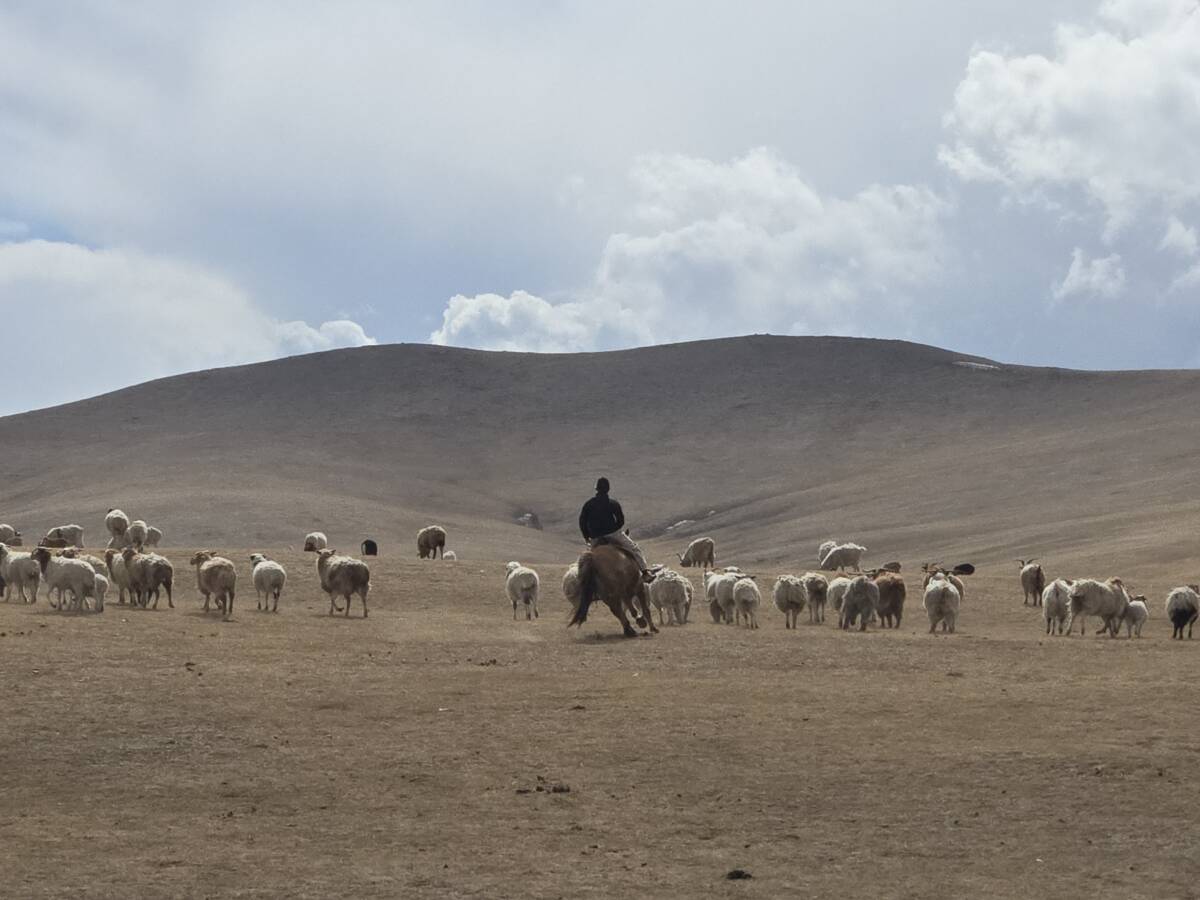
During our mission, we first visited a nomadic herding family and observed traditional slaughter practices. Here, handling was calm and respectful, and slaughter was carried out quickly and without unnecessary fear and pain. While we will explore simple improvements such as the introduction of handheld captive bolt stunners to render animals unconscious first, the overall level of awareness in this setting was already relatively high.

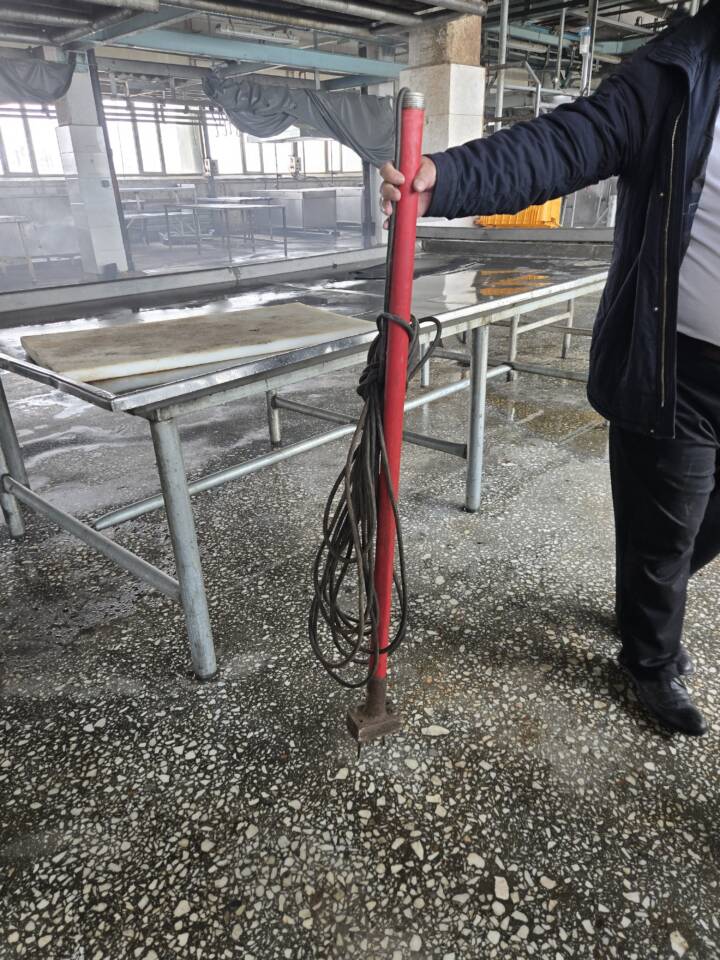
We then visited several commercial slaughterhouses in Ulaanbaatar, where operations are more industrialized. Here we observed welfare concerns, including outdated and ineffective electrical stunning devices that do not render animals properly unconscious, but rather leave them electrically immobilized during slaughter. One of the stunners was dated back to 1946 from East Germany. In addition, goats and sheep are live-hoisted and cut while still conscious.
Despite these challenges, there was strong willingness from local operators to improve. We were able to provide practical guidance on effective stunning methods, demonstrate appropriate manufacturers of good quality ones rather than the cheap ones available on the internet, and proposed trainings. Encouragingly, plans are now underway to invest in better technology, and training of staff is being scheduled.


In addition, the researcher who initiated the collaboration has since established Mongolia’s first animal welfare NGO to focus on transport and slaughter, creating an important foundation for future progress. Eyes on Animals will be on the board. Eyes on Animals was also interviewed by a local Mongolian journalist writing for an agricultural publication that herders and meat industry stakeholders read throughout the country.
While the challenges are considerable, this mission demonstrated that meaningful improvements are possible when local commitment is combined with technical expertise. Eyes on Animals will continue to support these developments, with the goal of reducing animal suffering wherever possible.