• Skip to primary navigation
  • Skip to main content
  • Skip to primary sidebar
  • Skip to footer
  • EYES ON ANIMALS – Watching out for their Welfare
  • English
  • Dutch
  • German

Eyes on Animals

Watching out for their Welfare

  • Facebook
  • Instagram
  • Twitter
  • YouTube
DONATE SIGN-UP NEWSLETTER
  • About us
    • What we do
    • Our team
    • Key Figures
    • Our Vision
    • Contact
    • Make a donation
    • Newsletter
  • News
    • Latest news
    • Good news
    • Bad news
    • Featured news
    • Newsletter
  • Inspections
    • Farms
    • Markets
    • Transports
    • Slaughterhouses
    • Special projects
    • Other
  • Training
    • Police
    • Truck drivers
    • Poultry-catchers
    • Slaughter personnel
    • Training Material
    • Request a training
  • Education
  • Industry Tips
    • Animal transport
      • Cattle
      • Pigs
      • Poultry
    • Slaughterhouses
      • Cattle
      • Pigs
      • Poultry
      • Ritual slaughter
    • Educational videos
  • Publications
    • In the media
      • Print
      • Television
      • Radio
      • Videos
    • Newsletters
    • Special reports
    • Training Material
    • Annual reviews
  • Help us
Home » Our inspections » Japan- visit and advice given to a pig slaughterhouse in south part

Japan- visit and advice given to a pig slaughterhouse in south part

October 28, 2026

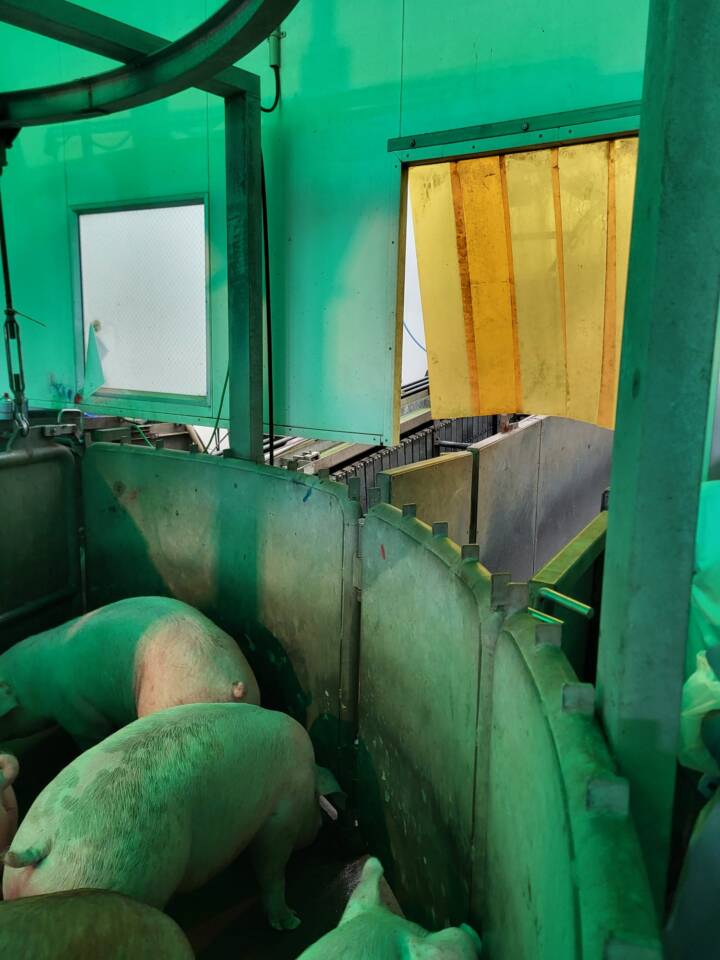
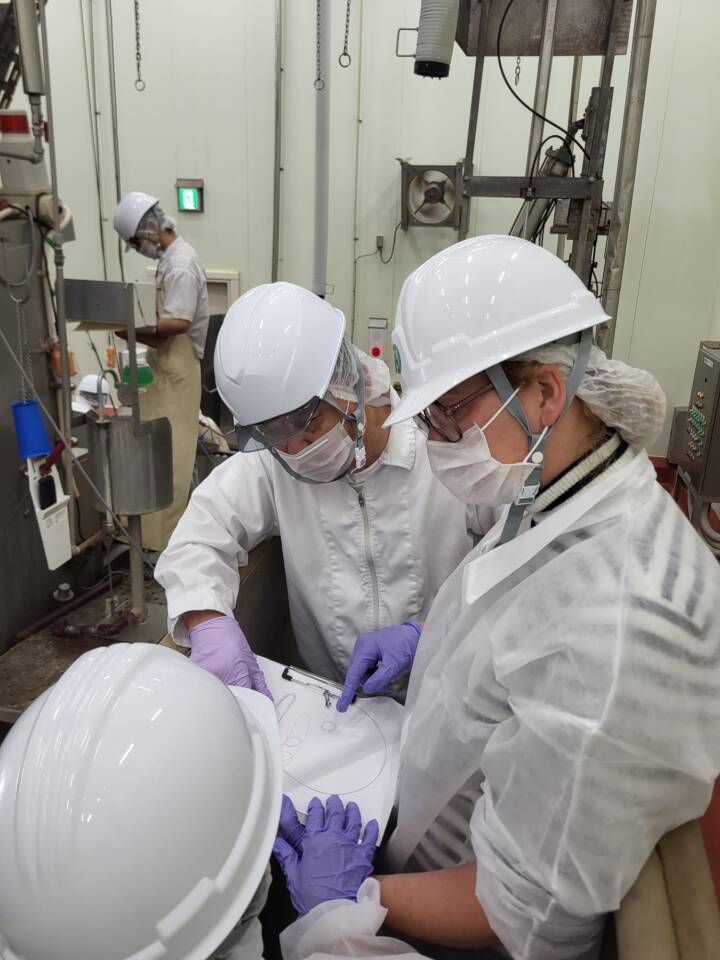
At the slaughterhouse today, as part of our welfare-mission with JAMTI, 200 pigs per hour are slaughtered. What was new to us was seeing pigs moved towards the automatic restraint for stunning by a moving floor and moving side walls, without any need for electric stimulation. This was very positive. Some equipment details posed injury risks, but rubber protection and fine-tuning could reduce them.

What really stood out was the calm pace. The slaughterhouses we’ve visited here don’t have the frantic atmosphere we’ve encountered in many other countries. Workers didn’t seem stressed: no shouting, running back and forth or rushing the animals. This makes an enormous difference. Constant time pressure and hurried handling can turn an already unfamiliar situation into sheer terror for animals, while also leaving workers frustrated and impatient.

We saw no electric goads. Staff used a light handling stick with soft plastic strips at the end to attract the pigs’ attention and guide them. We witnessed no hitting, rough handling or shouting at the animals.

There was, however, a serious concern about animals unable to walk. We saw two pigs separated into sick pens: one in shock and recovering from transport stress; the other unable to use her hind legs, moving only with her front legs. Staff confirmed that such animals are moved to the normal slaughter area, sometimes by lifting and supporting them or pulling them with a chain and pulley. We observed the pulley and chain, but we did not witness this movement ourselves.

These animals need emergency stunning and killing where they lie, sparing them further pain and distress. Non-ambulatory animals or animals showing any serious pain should never be forced to move but rather put outnofntheir.misery immediately. This is a priority we want to work on together with the manager but also the Japanese industry and authorities, as it is common practice across the country.

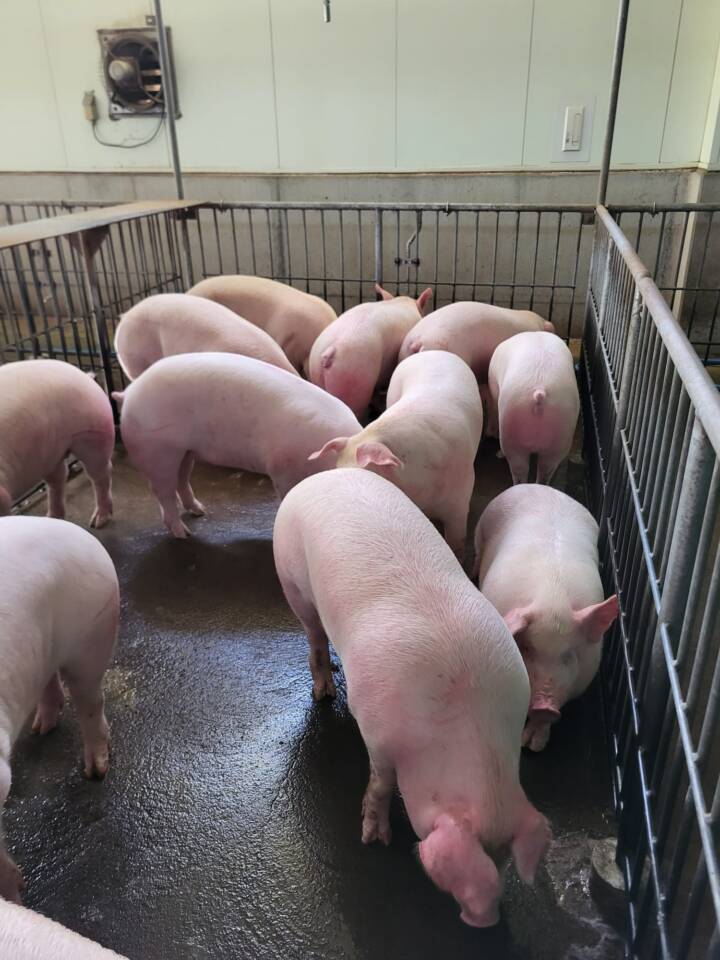
The lairage had very good air quality, drinking nipples throughout, and clean, dry floors. Some pens were overcrowded because each producer’s pigs were assigned to a fixed-size pen. We suggested adjustable partitions to match pen size to the number of pigs arriving.

Fortunately, most Japanese pig slaughterhouses still use electric stunning rather than the painful CO₂ gas common in other Western countries. We learned that pressure to switch has partly come from European and North American export markets, where CO₂ was long promoted as the modern approach. Now the UK is consulting on a ban of CO2 because of the suffering it causes, and European efforts are encouraging alternatives too. It is a valuable moment to help Japanese plants improve extract the full potential of their  electric systems, also to set a good example for the rest of the western world.

The managers were incredibly welcoming and attentive to our suggestions and JAMTI was a great host. That openness gives us a good basis for making fast, real concrete improvements together to benefit animals.
Filed Under: Our inspections, slaughterhouses Tagged With: pig slaughterhouse, slaughterhouse design, slaughterhouses

Primary Sidebar

Search

Featured

Calf in truck

Press-release: NVWA takes action against Irish transporters leaving calves without milk for too long

The Netherlands Food and Consumer Product Safety Authority (NVWA) is taking enforcement action … [Read More...] about Press-release: NVWA takes action against Irish transporters leaving calves without milk for too long

Featured

Improving broiler catching and loading: Eyes on Animals presents to the Better Chicken Business Network

August 1, 2026

Weeks of good stockmanship can be undone in just a few hours of rough catching and loading. Catching … [Read More...] about Improving broiler catching and loading: Eyes on Animals presents to the Better Chicken Business Network

Our most recent newsletter

Dear friends,

After years of our fieldwork and our enforcement requests, the NVWA (the Dutch government inspection authority) is finally taking action.

The NVWA has made it clear to the entire calf export-import industry between Ireland and the Netherlands: transporting unweaned calves for more than 30 hours without milk will no longer be tolerated.

Read more…

Subscribe to our newsletter

Subscribe

* indicates required

Eyes on Animals op X

eyes_on_animals

Eyes on Animals

@eyes_on_animals ·
4h

📌🐖 Als u er zeker van wilt zijn dat het varken dat u gaat opeten een goed leven heeft gehad, kies dan voor De Betere Boer!
https://www.eyesonanimals.com/nl/winkelen-bij-de-beter-boeren/de-betere-boer-varkensvlees/ #varken #DierwaardigeVeehouderij

Reply on Twitter 2120859620956647525 Retweet on Twitter 2120859620956647525 2 Like on Twitter 2120859620956647525 4 Twitter 2120859620956647525
foodlog_nl

foodlog.nl

@foodlog_nl ·
11 Nov

Onderzoeksgroep Ongehoord filmde met verborgen camera's ernstige misstanden bij vier varkenshouderijen die leveren onder de vlag van het Beter Leven-keurmerk (één ster). De beelden kwamen laat in de middag online bij BOOS van Tim Hofman. #boos #beterleven

Reply on Twitter 2120463798427394058 Retweet on Twitter 2120463798427394058 3 Like on Twitter 2120463798427394058 7 Twitter 2120463798427394058
eyes_on_animals

Eyes on Animals

@eyes_on_animals ·
11 Nov

📌 Nog steeds van grote relevantie, dit opiniestuk! https://www.volkskrant.nl/columns-opinie/opinie-de-prijs-van-goedkoop-vlees-zijn-mishandelde-landbouwdieren~b2fb6091/
#DierwaardigeVeehouderij #veeindustrie

Reply on Twitter 2120475997082402885 Retweet on Twitter 2120475997082402885 1 Like on Twitter 2120475997082402885 2 Twitter 2120475997082402885

Footer

Donate with Paypal

Paypal Eyes on Animals
One-time donation:
Monthly donation:

Reading Material

  • In the Media
  • Newsletters
  • Special EonA reports
  • Legislative texts
  • ANBI

ANBI

Our Amsterdam Office

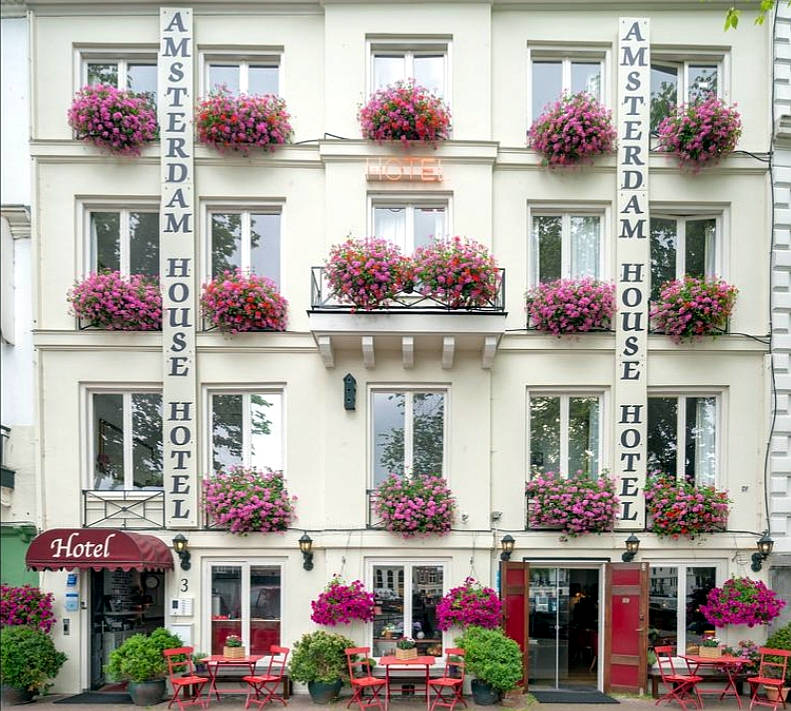
Amsterdam House Hotel
Eyes on Animals main office is in downtown Amsterdam, at the Amsterdam House Hotel. The generous and warm-hearted hotel owner donated to Eyes on Animals, free of charge, a beautiful room where our inspectors can work, hold meetings and store their material.

Copyright © 2026 · Eyes on Animals | Website by Webkompaan