• Skip to primary navigation
  • Skip to main content
  • Skip to primary sidebar
  • Skip to footer
  • EYES ON ANIMALS – Watching out for their Welfare
  • Englisch
  • Holländisch
  • Deutsch

Eyes on Animals

Watching out for their Welfare

  • Facebook
  • Instagram
  • Twitter
  • YouTube
SPENDEN ABONNIEREN NEWSLETTER
  • Über uns
    • Was wir tun
    • Unser Team
    • Kennzahlen
    • Kontakt
  • Neuigkeiten
    • Letzte Neuigkeiten
    • Gute Nachrichten
    • Schlechte Nachrichten
    • Abonnieren Sie unseren Newsletter
  • Inspektionen
    • Landwirtschaftliche Betriebe
    • Märkte und Sammelstationen
    • Transporte
    • Schlachthäuser
    • Projekte
    • Veterinärinspektoren
    • Sonstige
  • Schulungen
    • Polizei
    • LKW-Fahrer
    • Schlachthofmitarbeiter
    • Geflügelfänger
    • Trainingsmaterial
    • Schulungsanfrage
  • Industrietips
    • Transport
      • Rinder
      • Schweine
      • Geflügel
    • Schlachtung
      • Rinder
      • Schweine
      • Geflügel
      • Rituelle Schlachtung
    • Schulungsfilme
  • Publikationen
    • In den Medien
      • Presse
      • Fernsehen
      • Radio
      • Videos
    • Newsletters (Englisch)
    • Spezialberichte
    • Trainingsmaterial
    • Geschäftsberichte
  • Helfen
Home » Featured news » New film by Eyes on Animals showing how spent hens are caught in Europe

New film by Eyes on Animals showing how spent hens are caught in Europe

10. Dezember 2021

Eyes on Animals has been documenting how spent laying hens are caught and loaded in Europe.

This is just some of the footage and it is not even the worst. Spent hens raised on large farms are caught like this around the world and sadly even European officials and Member States have been tolerating it, despite it clearly being in violation of EU legislation. EU legislation states that no person shall cause animals to be transported in a way likely to cause injury or undue suffering to them and the means of transport, containers and their fittings shall be designed, constructed, maintained and operated so as to avoid injury and suffering.

It is clear from the footage that unnecessary suffering is occurring and the drawer system especially is not designed for spent hens but for broilers, causing all sorts of welfare problems when hens are loaded in them. We are trying to put an end to this rough and rushed handling of laying hens. Together with a few welfare-friendly egg producers and supermarkets, we are slowly changing the way hens are being caught, phasing out the conventional method of grabbing birds by their legs and stuffing them 5 at a time into crates by more slow and careful handling methods. Please, be a wise consumer and ask your supermarket how the hens producing the eggs that they sell are being caught. Suggest they get in touch with us, and tell them about our training courses for catchers. For more information you can contact info@eyesonanimals.com. Should you be an egg producer yourself, and want to change, please contact us and we will try to help you.

Filed Under: Featured Tagged With: chicken transport, chicken-catching

Primary Sidebar

Search

Featured

Improving broiler catching and loading: Eyes on Animals presents to the Better Chicken Business Network

Weeks of good stockmanship can be undone in just a few hours of rough catching and loading. Catching … [Read More...] about Improving broiler catching and loading: Eyes on Animals presents to the Better Chicken Business Network

Featured

Our 2025 Annual Review is now available

1. Juli 2026

Read about how your support enabled Eyes on Animals' teams to work in the field throughout 2025. Our … [Read More...] about Our 2025 Annual Review is now available

Unser neuste Newsletter

Dear friends,

After years of our fieldwork and our enforcement requests, the NVWA (the Dutch government inspection authority) is finally taking action.

The NVWA has made it clear to the entire calf export-import industry between Ireland and the Netherlands: transporting unweaned calves for more than 30 hours without milk will no longer be tolerated.

Read more…

Erhalten Sie unseren englischen Newsletter

Subscribe

* indicates required

Eyes on Animals op X

vakbladvarkens

Varkens

@vakbladvarkens ·
21 Okt.

Varkenshouders kunnen niet-levensvatbare biggen en zieke of wrakke varkens op een humane manier doden. Nieuwe methodes zoals stikstofschuim, een CO₂-box en een elektrotang maken dit mogelijk. Verbloeden is vaak niet meer nodig. #dierenwelzijn

Auf Twitter antworten 2112862245340537161 Retweet auf Twitter 2112862245340537161 1 Auf Twitter liken 2112862245340537161 Twitter 2112862245340537161
dierbescherming

Dierenbescherming

@dierbescherming ·
19 Okt.

"Ik geloof er hartstochtelijk in dat de belangen van dieren een vaste en vanzelfsprekende plaats moeten krijgen bij de keuzen die wij als samenleving maken voor de inrichting van ons land en het vormgeven van onze toekomst."

Auf Twitter antworten 2112122839654420796 Retweet auf Twitter 2112122839654420796 20 Auf Twitter liken 2112122839654420796 122 Twitter 2112122839654420796
eyes_on_animals

Eyes on Animals

@eyes_on_animals ·
16 Okt.

📌 Eyes on Animals: best wel bijzonder!
https://www.eyesonanimals.com/help-us/donate/

Auf Twitter antworten 2111039020943994922 Retweet auf Twitter 2111039020943994922 2 Auf Twitter liken 2111039020943994922 2 Twitter 2111039020943994922

Footer

Donate with Paypal

Paypal Eyes on Animals
Beträge (einmalig):

Beträge (monatliche Spenden):

Lesestoff

  • In den Medien
  • Newsletters
  • Gesetzestexte
  • Spezialberichte
  • ANBI

ANBI

Our Amsterdam Office

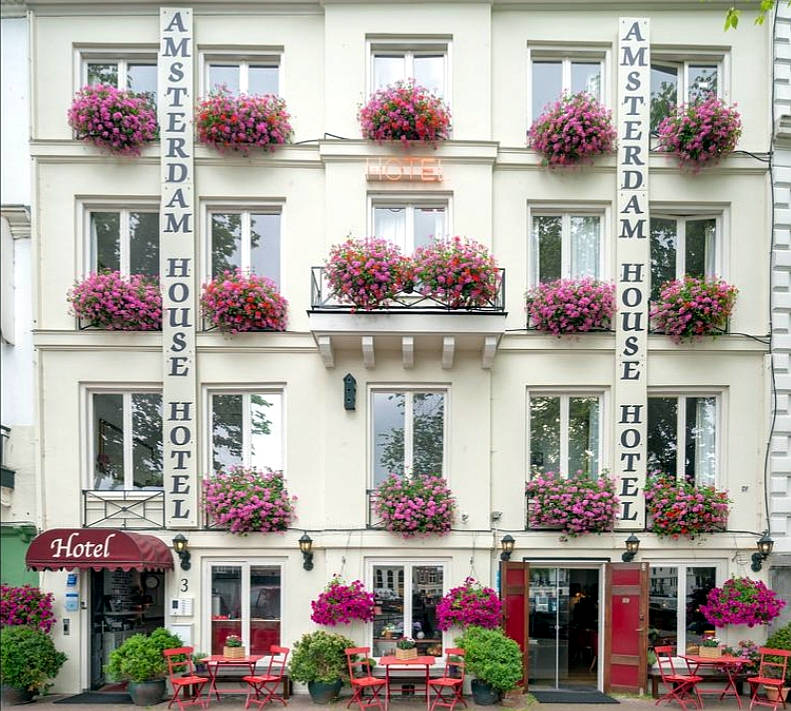
Amsterdam House Hotel
Das Büro von Eyes on Animals befindet sich im Amsterdam House Hotel direkt im Zentrum von Amsterdam. Die großzügige und warmherzige Hotelbetreiberin hat Eyes on Animals kostenfrei ein Zimmer zur Verfügung gestellt, in dem unsere Inspektoren arbeiten, Unterlagen unterbringen und Meetings abhalten können.

Copyright © 2026 · Eyes on Animals | Website by Webkompaan