Twenty years later- what a positive difference!
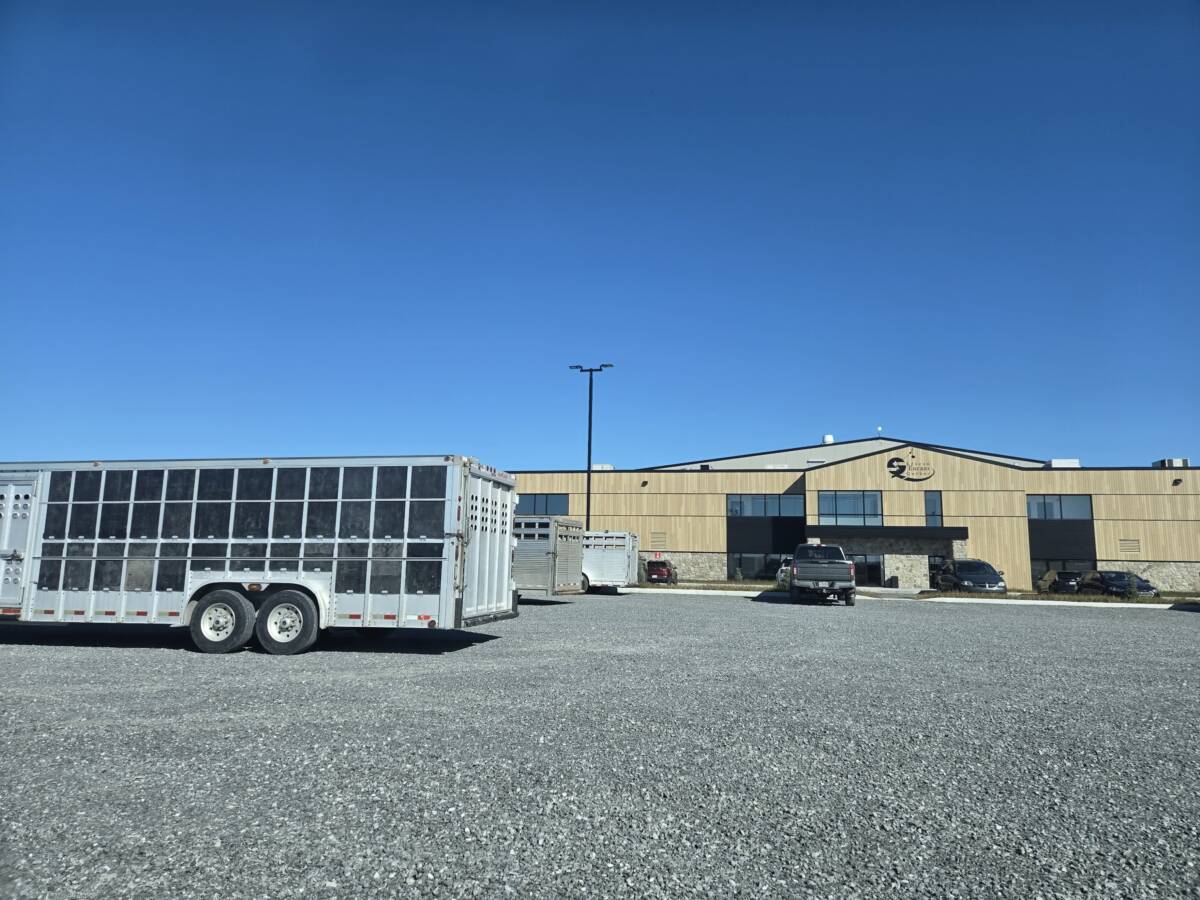
On October 21, 2026, Eyes on Animals and Welfarm visited the Saint-Simon livestock market in Quebec, formerly known as the Saint-Hyacinthe livestock auction.
Twenty years ago, Lesley Moffat, then working for Animals’ Angels, thoroughly and repeatedly investigated this livestock market in Quebec together with Welfarm, exposing and complaining about serious animal welfare problems that received extensive media coverage on TV in Canada and even in France. Heat stress, overcrowded pens, no water, catching and throwing of piglets by their legs, dragging and kicking very weak and injured sows, sheep and cows and dying animals left for dead on top of dead animals out back. Today, through Eyes on Animals, Lesley continues to follow up on several investigations and animal welfare projects she initiated during her years with Animals’ Angels.
What a difference twenty years can make!
The old market has since closed and since has been replaced by a brand-new facility, specifically designed to improve animal handling, welfare and safety. In 2009 a new director was put in place.
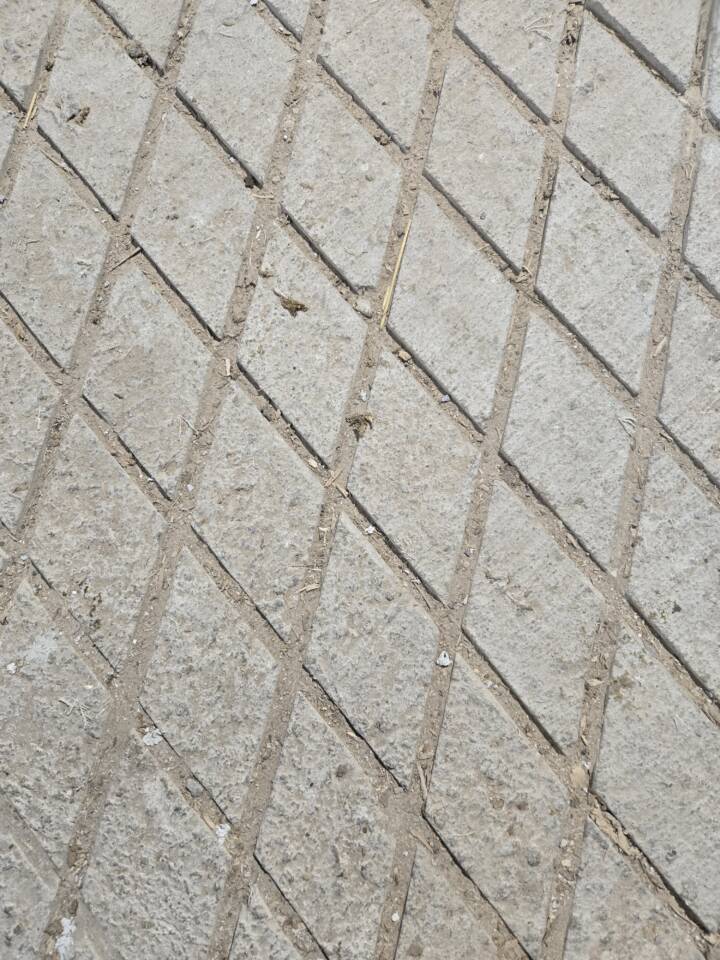
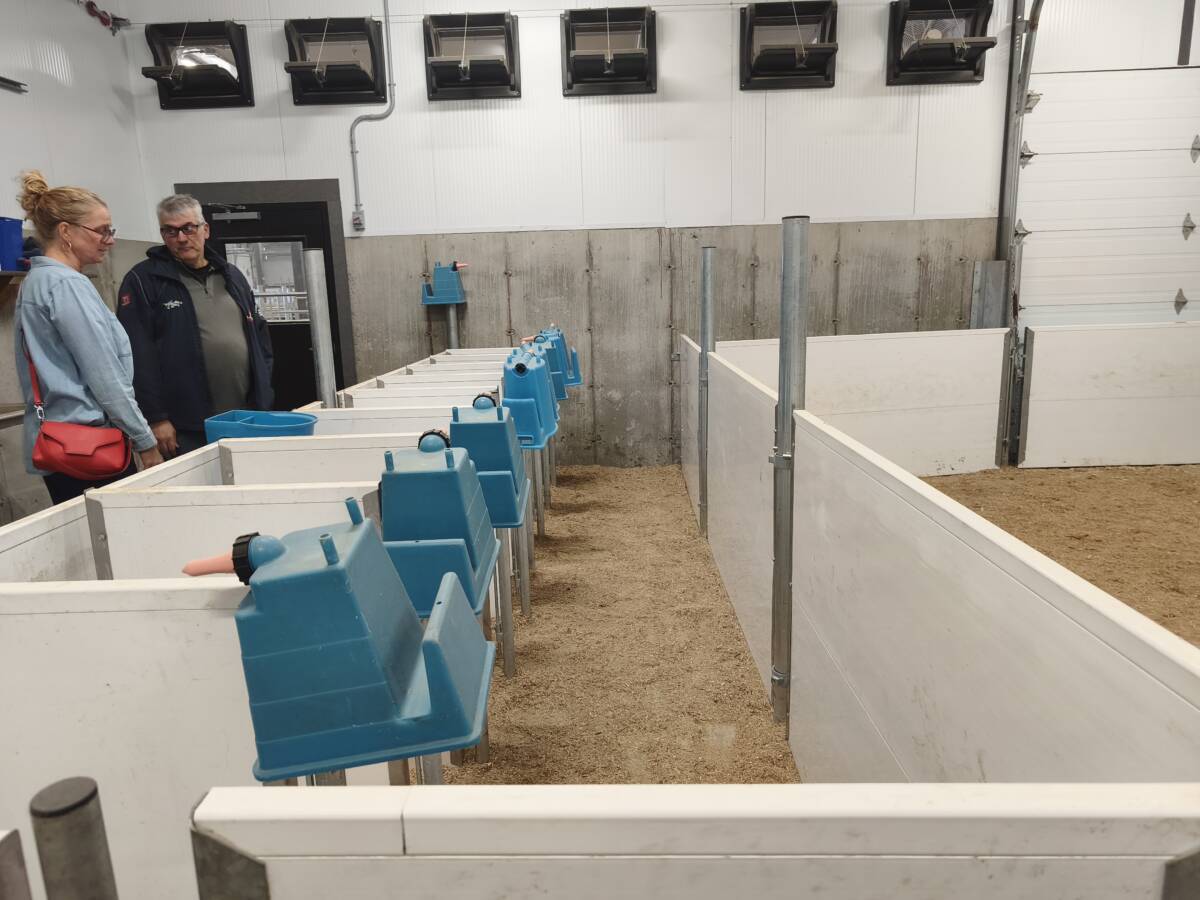
We were impressed by the spacious building with its high ceilings, excellent ventilation, natural daylight and large windows. The concrete floors were grooved to prevent slipping, with generous amounts of wood shavings providing additional grip and a softer surface for the animals. Animals were free to move around rather than being tied up. Stocking densities were generally good, and bulls were housed individually in spacious pens to prevent fighting.
Every pen was equipped with a modern drinking water system, specially designed to keep the water clean and heated during Quebec’s freezing winters. At approximately $600 per drinking trough, this represented a considerable investment and we arenpleased by it.
Pigs are no longer accepted but sold directly from farm to slaugherhouse, no longer passing through a market. Only sheep and cattle are sold here now.
Although we remain opposed to transporting very young, unweaned calves, we appreciated the market’s policy of providing milk to all unweaned calves in transit of more than 12 hours, including time spent at the market. The market had even designed its own milk-feeding system, with dividers between teats to prevent dominant calves from pushing others away. We were really pleased about this, better than seen at many European markets that often just provide electrolytes.
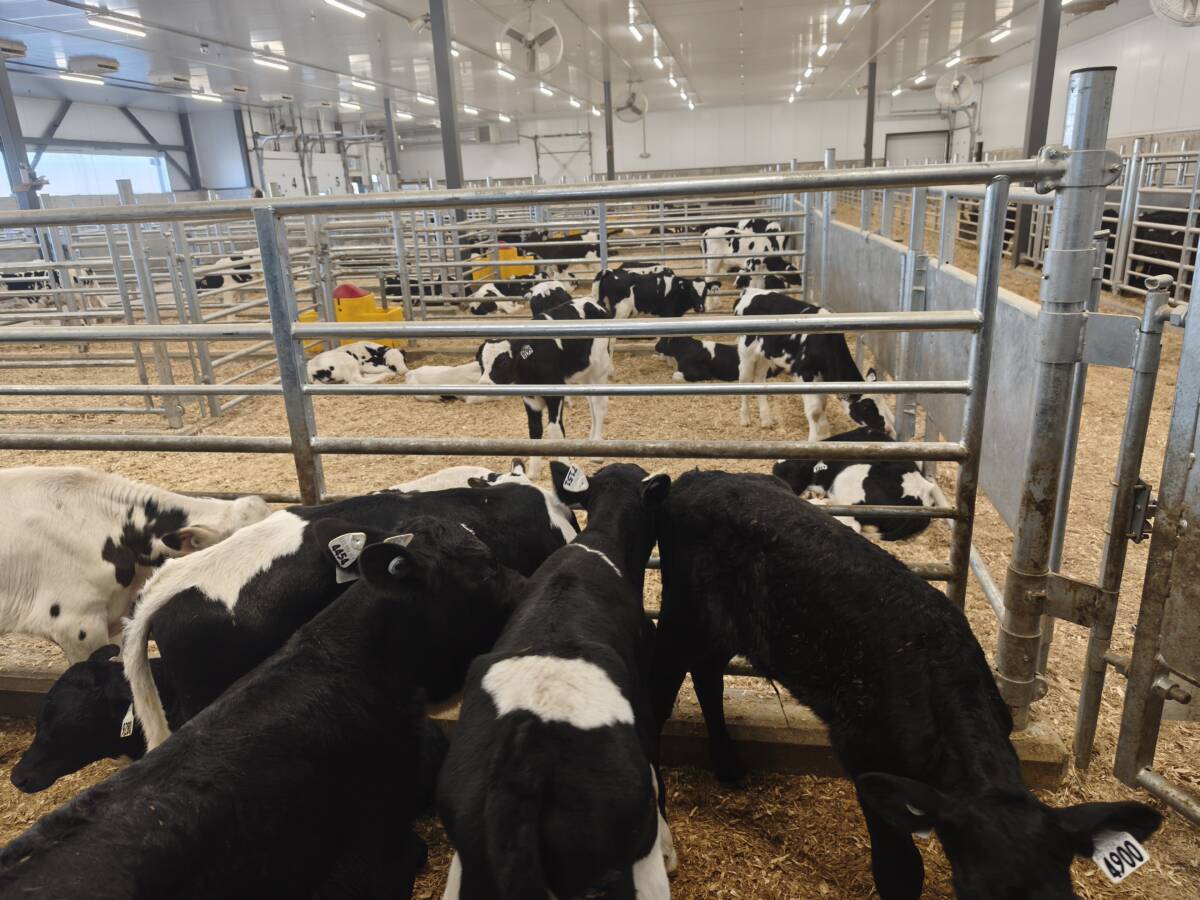
We arrived unannounced and observed 3 government inspectors at work, checking the condition of the animals. Animal handling was generally calm and professional. We did notice one bull being touched a couple of times with an electric prod while moving through the raceway towards the auction ring. Although the prod was not used aggressively or excessively, it appeared unnecessary, as the bull was already moving forward. We also identified a few minor points for improvement, such as placing rubber on the gates to reduce banging noise.
The highlight of our visit, however, was the openness of the market director. After we presented oursepves he welcomed us warmly, allowed us to inspect everything and take photographs, and spoke candidly about the challenges that remain. He acknowledged that occasionally an employee may handle an animal a little too roughly, but explained that he addresses such incidents directly and regularly reminds staff to work calmly and professionally. He also encouraged us to contact him whenever we observe something that concerns us, so that it can be discussed and improved.
Remarkably, the market still had a copy of our investigation reports from twenty years ago! He explained that attitudes towards animal welfare have changed significantly, and practices tolerated a generation ago would no longer be acceptable today, by people of his generation.
We left feeling genuinely encouraged. There is always room for improvement and markets remain an additional stress to animals en route from farm to slaughter but this visit demonstrates how much can change when animal welfare is taken seriously.
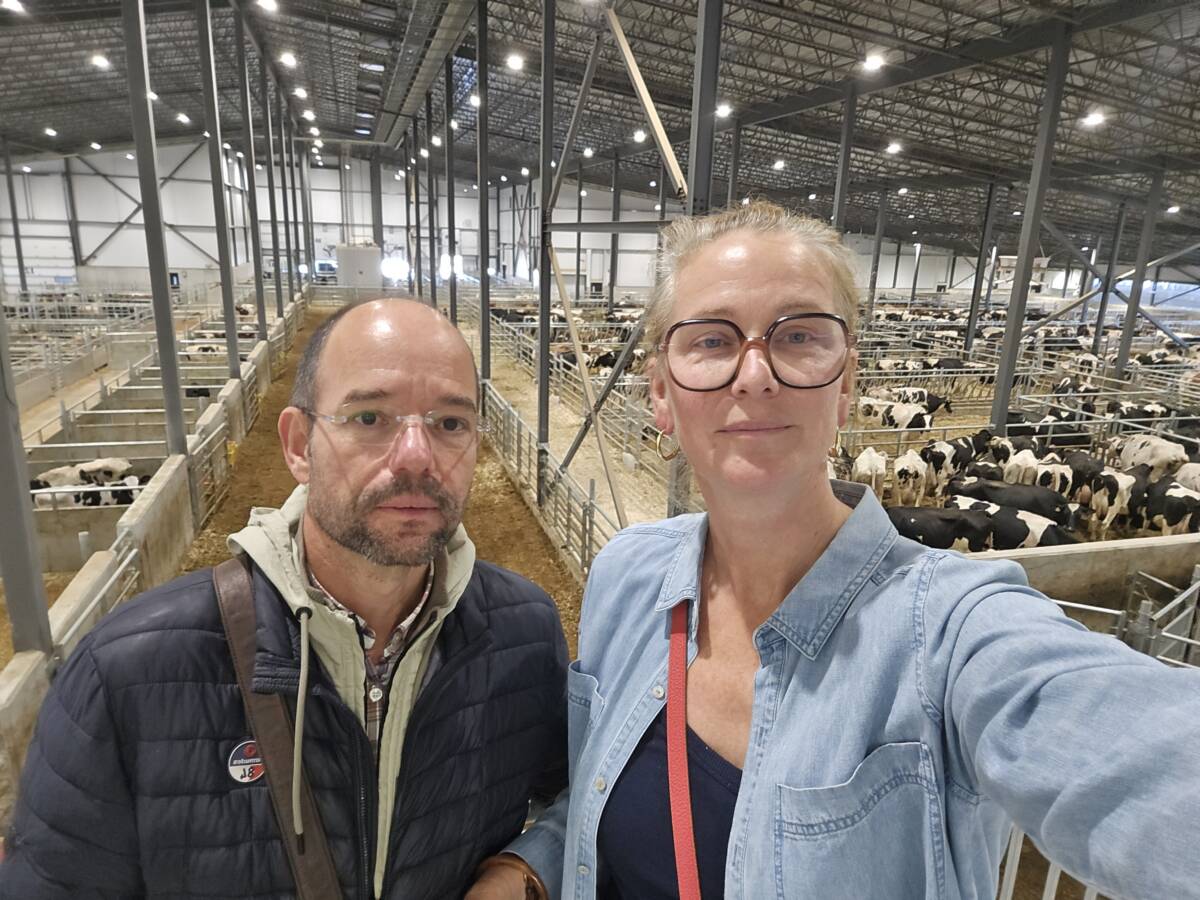
Persistence on the ground and constructive dialogue can truly make a difference for farm animals!