• Skip to primary navigation
  • Skip to main content
  • Skip to primary sidebar
  • Skip to footer
  • EYES ON ANIMALS – Watching out for their Welfare
  • Englisch
  • Holländisch
  • Deutsch

Eyes on Animals

Watching out for their Welfare

  • Facebook
  • Instagram
  • Twitter
  • YouTube
SPENDEN ABONNIEREN NEWSLETTER
  • Über uns
    • Was wir tun
    • Unser Team
    • Kennzahlen
    • Kontakt
  • Neuigkeiten
    • Letzte Neuigkeiten
    • Gute Nachrichten
    • Schlechte Nachrichten
    • Abonnieren Sie unseren Newsletter
  • Inspektionen
    • Landwirtschaftliche Betriebe
    • Märkte und Sammelstationen
    • Transporte
    • Schlachthäuser
    • Projekte
    • Veterinärinspektoren
    • Sonstige
  • Schulungen
    • Polizei
    • LKW-Fahrer
    • Schlachthofmitarbeiter
    • Geflügelfänger
    • Trainingsmaterial
    • Schulungsanfrage
  • Industrietips
    • Transport
      • Rinder
      • Schweine
      • Geflügel
    • Schlachtung
      • Rinder
      • Schweine
      • Geflügel
      • Rituelle Schlachtung
    • Schulungsfilme
  • Publikationen
    • In den Medien
      • Presse
      • Fernsehen
      • Radio
      • Videos
    • Newsletters (Englisch)
    • Spezialberichte
    • Trainingsmaterial
    • Geschäftsberichte
  • Helfen
Home » Our inspections » Eyes on Animals facilitates meeting between Brazilian and Canadian welfare experts and the Dutch poultry industry

Eyes on Animals facilitates meeting between Brazilian and Canadian welfare experts and the Dutch poultry industry

22. Oktober 2025

On October 22, Eyes on Animals organized a visit for two leading international welfare experts — Victor Lima from Brazil and Michelle Jendral from Canada — to manufacturer of poultry trucks Ravenhorst and to ESBRO, one of the largest poultry slaughterhouses in the Netherlands. The purpose of this visit was to jointly explore practical improvements in poultry welfare. Topics included poultry-handling methods, container design, the wellbeing of chicken catchers and slaughterhouse workers, and air-conditioned poultry transport.

One key topic was catching injuries, which are not only a welfare concern but also a financial one, as carcasses with bruising require trimming. We discussed how to better detect such injuries and how improved handling methods could reduce them.

It was a genuinely interesting exchange in which all parties – each bringing different international perspectives – openly shared their operating procedures, developments and dilemmas.

At ESBRO, we observed the arrival of an air-conditioned poultry truck from Ravenhorst, which made a very good impression: the birds appeared calm, were evenly distributed and had sufficient space. We were also given an extensive tour of the slaughterhouse, following the birds from arrival to stunning and through the slaughter process. ESBRO employs numerous modern technologies that contribute to aspects of welfare, product quality and food safety.

Regarding welfare, we discussed live tilting before stunning, which – although measures have been taken to reduce its abruptness – still causes considerable stress to broilers, including smothering and difficulties to upright themselves. ESBRO has future plans to switch to a CO₂-stunning system in which birds remain inside their container drawers, making live tilting unnecessary. We continue to strongly recommend and support this step.

Regarding stunning, we recommended installing an additional inspection window just before the final section of the tunnel, where the birds drop onto another conveyor belt and the CO₂ concentration is highest. This point offers the clearest and easiest moment to check for any signs of consciousness. If birds at this stage do not show relaxed necks during the fall but instead have extended, fixed necks—an indicator of consciousness—dwell times can be adjusted accordingly. An added window would make this monitoring significantly easier.

Furthermore, the experts advised closing some small gaps alongside the conveyor belt to prevent birds from getting body parts caught. ESBRO implemented this recommendation the very next day. Adding an extra window to the CO₂ tunnel is more technically complex and will require consultation with the manufacturer, Marel, but ESBRO has already initiated this process. We very much appreciate ESBRO’s proactive approach to making improvements.

It was a very productive and genuinely encouraging day, showing how constructive and open the dialogue between welfare specialists and industry can be. We greatly appreciated the warm welcome from ESBRO and their openness throughout the visit.

Meeting at Ravenhorst company
Meeting at ESBRO poultry slaughterhouse

Filed Under: Inspektionen, Schlachthäuser Tagged With: animal welfare inspection, chicken transport, slaughterhouse design

Primary Sidebar

Search

Featured

Improving broiler catching and loading: Eyes on Animals presents to the Better Chicken Business Network

Weeks of good stockmanship can be undone in just a few hours of rough catching and loading. Catching … [Read More...] about Improving broiler catching and loading: Eyes on Animals presents to the Better Chicken Business Network

Featured

Our 2025 Annual Review is now available

1. Juli 2026

Read about how your support enabled Eyes on Animals' teams to work in the field throughout 2025. Our … [Read More...] about Our 2025 Annual Review is now available

Unser neuste Newsletter

Dear friends,

After years of our fieldwork and our enforcement requests, the NVWA (the Dutch government inspection authority) is finally taking action.

The NVWA has made it clear to the entire calf export-import industry between Ireland and the Netherlands: transporting unweaned calves for more than 30 hours without milk will no longer be tolerated.

Read more…

Erhalten Sie unseren englischen Newsletter

Subscribe

* indicates required

Eyes on Animals op X

eyes_on_animals

Eyes on Animals

@eyes_on_animals ·
11 Okt.

🌈 Being queer is very normal and accepted amongst animals.
So Happy #ComingOutDay !

Queer Planet | Official Trailer | Peacock Original https://youtu.be/GikfSszcBHE?is=l0tECC2OerL-n7-Q via @YouTube

Auf Twitter antworten 2109253155183608135 Retweet auf Twitter 2109253155183608135 1 Auf Twitter liken 2109253155183608135 2 Twitter 2109253155183608135
eyes_on_animals

Eyes on Animals

@eyes_on_animals ·
10 Okt.

🔥🐓 18.000 kippen omgekomen bij stalbrand.
Arme dieren.https://www.omroepzeeland.nl/nieuws/18849505/18000-kippen-omgekomen-bij-grote-brand-in-kippenschuur-bij-biervliet #kippen #stalbrand

Auf Twitter antworten 2109024590941114832 Retweet auf Twitter 2109024590941114832 6 Auf Twitter liken 2109024590941114832 11 Twitter 2109024590941114832
faunabeschermin

De Faunabescherming

@faunabeschermin ·
8 Okt.

🕊️ @LucZeebroek @nrc

Auf Twitter antworten 2108289844937924635 Retweet auf Twitter 2108289844937924635 6 Auf Twitter liken 2108289844937924635 27 Twitter 2108289844937924635

Footer

Donate with Paypal

Paypal Eyes on Animals
Beträge (einmalig):

Beträge (monatliche Spenden):

Lesestoff

  • In den Medien
  • Newsletters
  • Gesetzestexte
  • Spezialberichte
  • ANBI

ANBI

Our Amsterdam Office

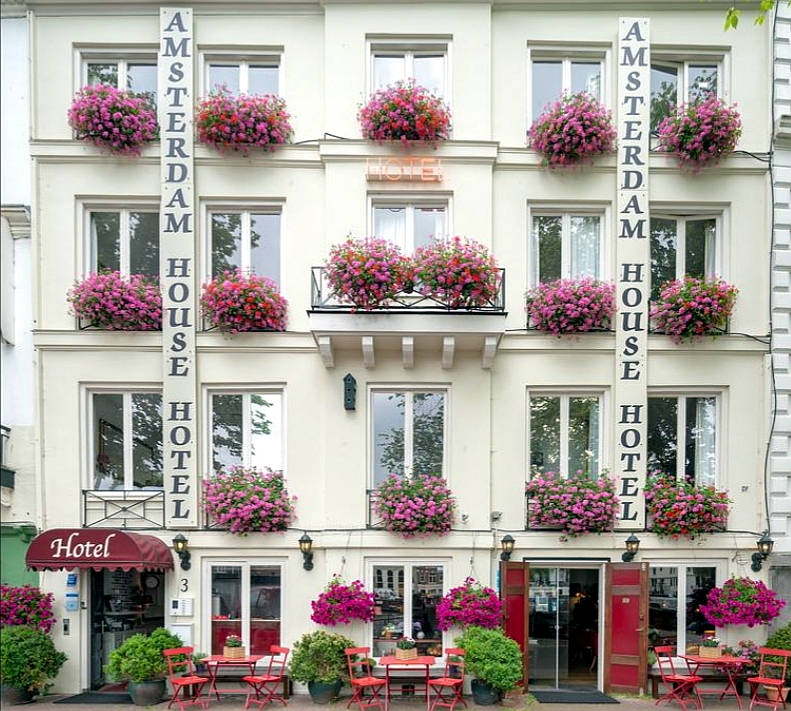
Amsterdam House Hotel
Das Büro von Eyes on Animals befindet sich im Amsterdam House Hotel direkt im Zentrum von Amsterdam. Die großzügige und warmherzige Hotelbetreiberin hat Eyes on Animals kostenfrei ein Zimmer zur Verfügung gestellt, in dem unsere Inspektoren arbeiten, Unterlagen unterbringen und Meetings abhalten können.

Copyright © 2026 · Eyes on Animals | Website by Webkompaan