• Skip to primary navigation
  • Skip to main content
  • Skip to primary sidebar
  • Skip to footer
  • EYES ON ANIMALS – Watching out for their Welfare
  • English
  • Nederlands
  • Deutsch

Eyes on Animals

Watching out for their Welfare

  • Facebook
  • Instagram
  • Twitter
  • YouTube
DONATE
  • About us
    • What we do
    • Our team
    • Key Figures
    • Our Vision
    • Contact
  • News
    • Latest news
    • Good news
    • Bad news
    • Featured news
    • Subscribe to our newsletter
  • Inspections
    • Farms
    • Markets
    • Transports
    • Slaughterhouses
    • Special projects
    • Other
  • Training
    • Police
    • Truck drivers
    • Poultry-catchers
    • Slaughter personnel
    • Training Material
    • Request a training
  • Industry Tips
    • Animal transport
      • Cattle
      • Pigs
      • Poultry
    • Slaughterhouses
      • Cattle
      • Pigs
      • Poultry
      • Ritual slaughter
    • Educational videos
  • Publications
    • In the media
      • Print
      • Television
      • Radio
      • Videos
    • Newsletters
    • Special reports
    • Training Material
    • Annual reviews
  • Help us
Home » Our inspections » slaughterhouses » Tour of a Belgian chicken slaughterhouse that uses gas instead of electricity to stun the birds

Tour of a Belgian chicken slaughterhouse that uses gas instead of electricity to stun the birds

July 7, 2009

It has been an on-going discussion: meat quality is in direct conflict with animal welfare when poultry are stunned with electricity. When the amper and voltage are set high enough to guarantee that the birds lose consciousness before being slaughtered, their “carcasses” lose value due to the many blood spots caused by the shock. Therefore, most birds are purposely not stunned fully to assure that their carcass does not lose value!

Fortunately, some of the more ethically responsible plants have decided to make the switch over to using different gas mixutres. PINGO poultry use CO2 and O2 concentrations. The birds do not need to be hung up alive, thus greatly reducing panic and bone fractures, and all birds come out properly stunned with no chance of regaining consiousness. The stunning process is not entirely without its stress, the transport cages are tipped automatically so that the birds fall out onto a conveyor belt, which is a frightful moment for them. And the first few seconds of the 30%CO2 gas mixture is likely aversive but brings them quickly into unconsciousness, as we only saw some of the birds shaking their heads. The advantages largely outweigh the electric stunning system.

The PINGO poultry plant also has an Animal Welfare Officer that observes the BEHAVIOUR of the birds in the gas chambers (which has several observation windows) to check that the system is working properly and adjusted as needed according to the age or breed of birds. Eyes on Animals will distribute the information learned today to our taskforce members in other countries, with the aim of phasing out electric stunning also in Canada, American, and other parts of Europe.


  • share 
  • share 
  • share 
  • save 
  • email 

Filed Under: slaughterhouses

Primary Sidebar

Search

Featured

Export checks of young piglets for slaughter fall short: serious violations documented on transports from the Netherlands to Croatia

This summer, Eyes on Animals documented two long-distance transports of Dutch piglets to … [Read More...] about Export checks of young piglets for slaughter fall short: serious violations documented on transports from the Netherlands to Croatia

Featured

As small slaughterhouses disappear, transport distances increase

May 26, 2025

Eyes on Animals is observing a troubling trend: transport distances for culled cows and sows are … [Read More...] about As small slaughterhouses disappear, transport distances increase

Our most recent newsletter

Dear friends,

Thanks to your generous donations, we were able to follow two transports of piglets from the Netherlands to a slaughterhouse in Croatia.

Read more…

Subscribe to our newsletter

Subscribe

* indicates required

Eyes on Animals op Twitter

dierbescherming Dierenbescherming @dierbescherming ·
22h

Tijdens een wandeling in de natuur of door het stadspark kan het zo zijn dat je een dier met verschijnselen van #vogelgriep aantreft.🦆🦢 Wat doe je als je een vogelgriepslachtoffer tegenkomt (en wat niet)? https://bit.ly/47O2quZ

Reply on Twitter 1989052923674874240 Retweet on Twitter 1989052923674874240 6 Like on Twitter 1989052923674874240 3 Twitter 1989052923674874240
eyes_on_animals Eyes on Animals @eyes_on_animals ·
13 Nov

🐖 Ondertussen bij onze Zuiderburen.
- Brandweer opgeroepen nadat 15 varkens in hun stal door de mestroosters zijn gezakt: “Geen evidente interventie” - #varkens #mest https://kw.be/nieuws/ongevallen/brandweer-opgeroepen-nadat-15-varkens-in-hun-stal-door-de-mestroosters-zijn-gezakt-geen-evidente-interventie/

Reply on Twitter 1988989313585942860 Retweet on Twitter 1988989313585942860 3 Like on Twitter 1988989313585942860 1 Twitter 1988989313585942860
ciwfnl CIWF Nederland @ciwfnl ·
13 Nov

Gruwelijke ramp voltrekt zich nu in Turkije: schip met 2900 koeien is al bijna 2 maanden op zee en tientallen dieren sterven.
Rampen met verre veetransporten zijn aan de orde van de dag. Daarom voeren wij internationaal actie: #stopverreveetransporten !

Reply on Twitter 1988939435459899445 Retweet on Twitter 1988939435459899445 2 Like on Twitter 1988939435459899445 Twitter 1988939435459899445
Load More...

ANBI

Footer

Donate with Paypal

Paypal Eyes on Animals
One-time donation:
Monthly donation:

Reading Material

  • In the Media
  • Newsletters
  • Special EonA reports
  • Legislative texts
  • ANBI

Our Amsterdam Office

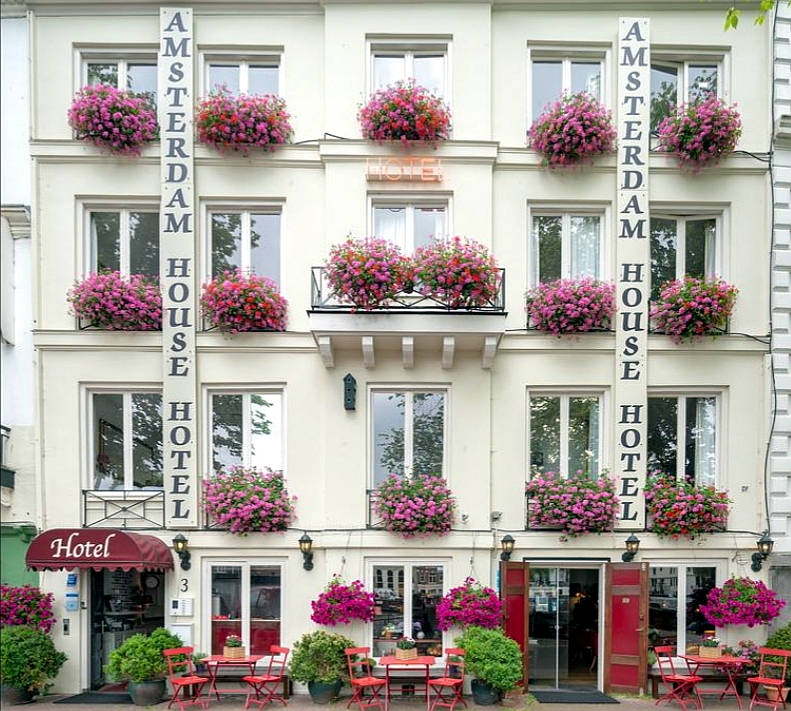
Amsterdam House Hotel
Eyes on Animals main office is in downtown Amsterdam, at the Amsterdam House Hotel. The generous and warm-hearted hotel owner donated to Eyes on Animals, free of charge, a beautiful room where our inspectors can work, hold meetings and store their material.

Copyright © 2025 · Eyes on Animals | Website by Webkompaan