• Skip to primary navigation
  • Skip to main content
  • Skip to primary sidebar
  • Skip to footer
  • EYES ON ANIMALS – Watching out for their Welfare
  • English
  • Nederlands
  • Deutsch

Eyes on Animals

Watching out for their Welfare

  • Facebook
  • Instagram
  • Twitter
  • YouTube
DONATE
  • About us
    • What we do
    • Our team
    • Key Figures
    • Our Vision
    • Contact
  • News
    • Latest news
    • Good news
    • Bad news
    • Featured news
    • Subscribe to our newsletter
  • Inspections
    • Farms
    • Markets
    • Transports
    • Slaughterhouses
    • Special projects
    • Other
  • Training
    • Police
    • Truck drivers
    • Poultry-catchers
    • Slaughter personnel
    • Training Material
    • Request a training
  • Industry Tips
    • Animal transport
      • Cattle
      • Pigs
      • Poultry
    • Slaughterhouses
      • Cattle
      • Pigs
      • Poultry
      • Ritual slaughter
    • Educational videos
  • Publications
    • In the media
      • Print
      • Television
      • Radio
      • Videos
    • Newsletters
    • Special reports
    • Training Material
    • Annual reviews
  • Help us
Home » Featured news » First International Conference on Poultry Catching and Loading

First International Conference on Poultry Catching and Loading

October 23, 2025

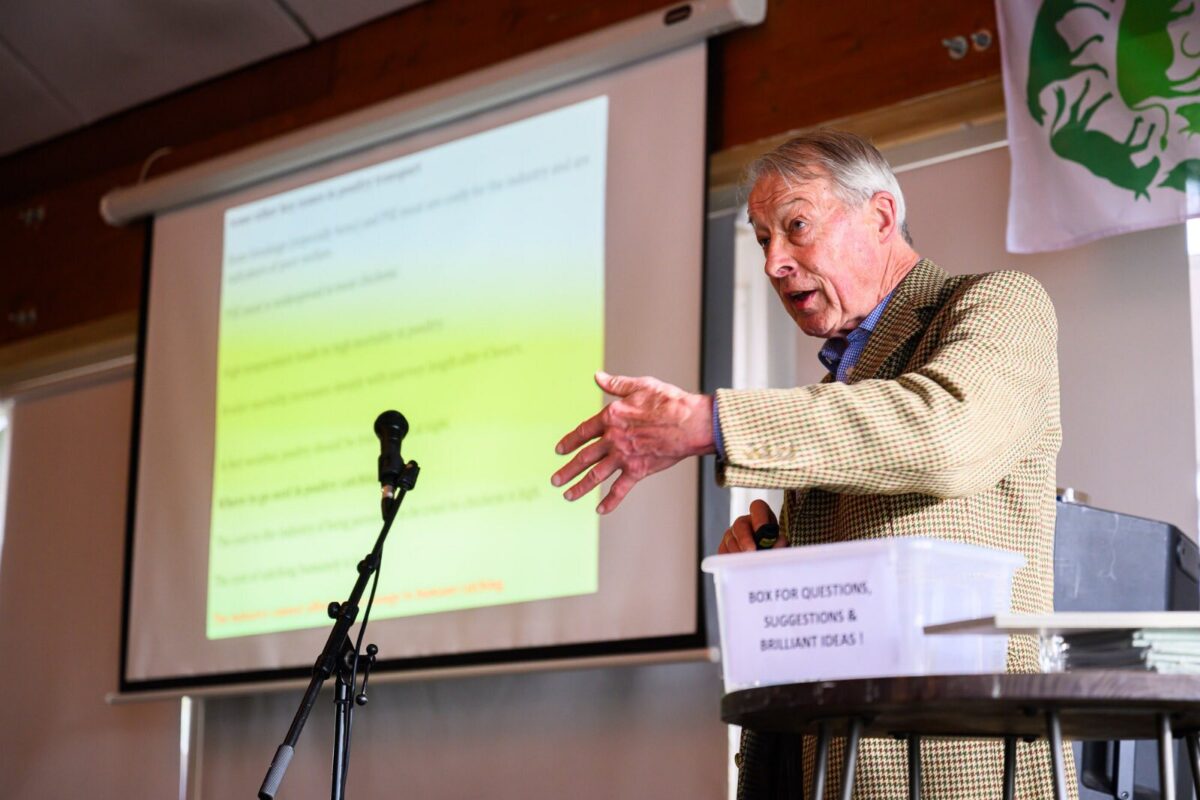
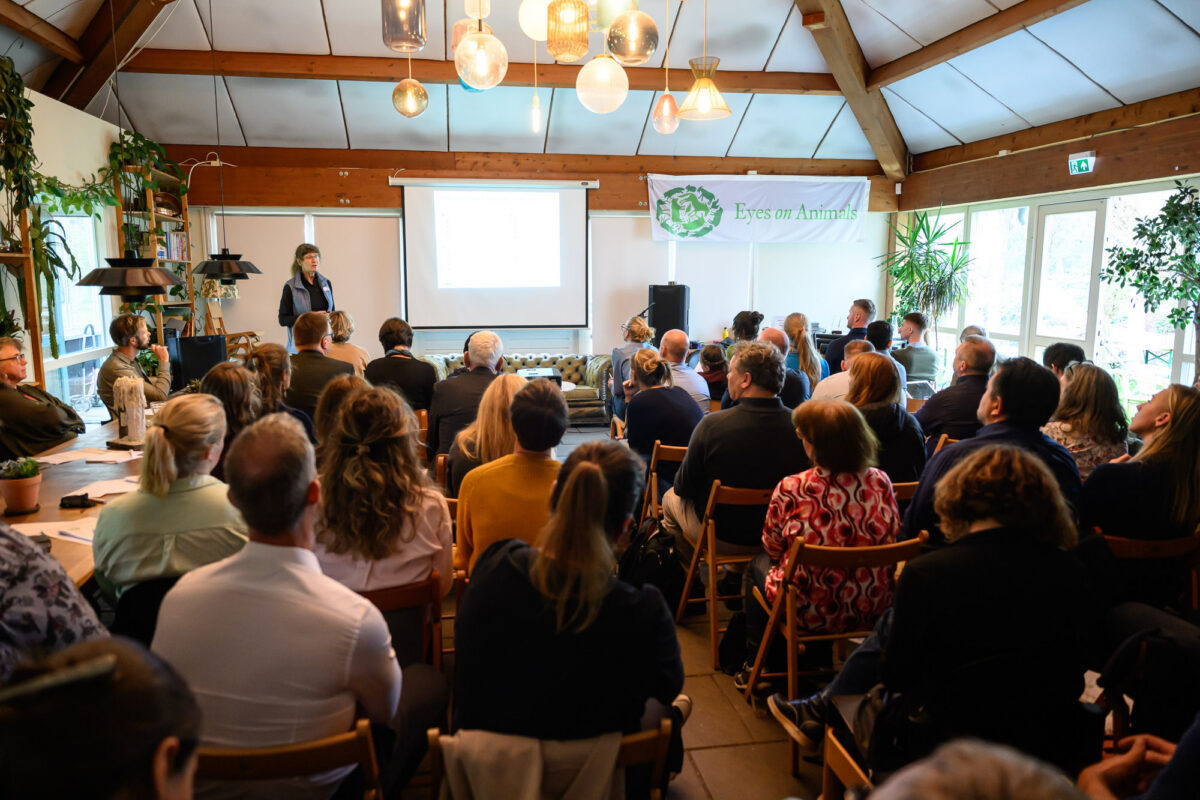
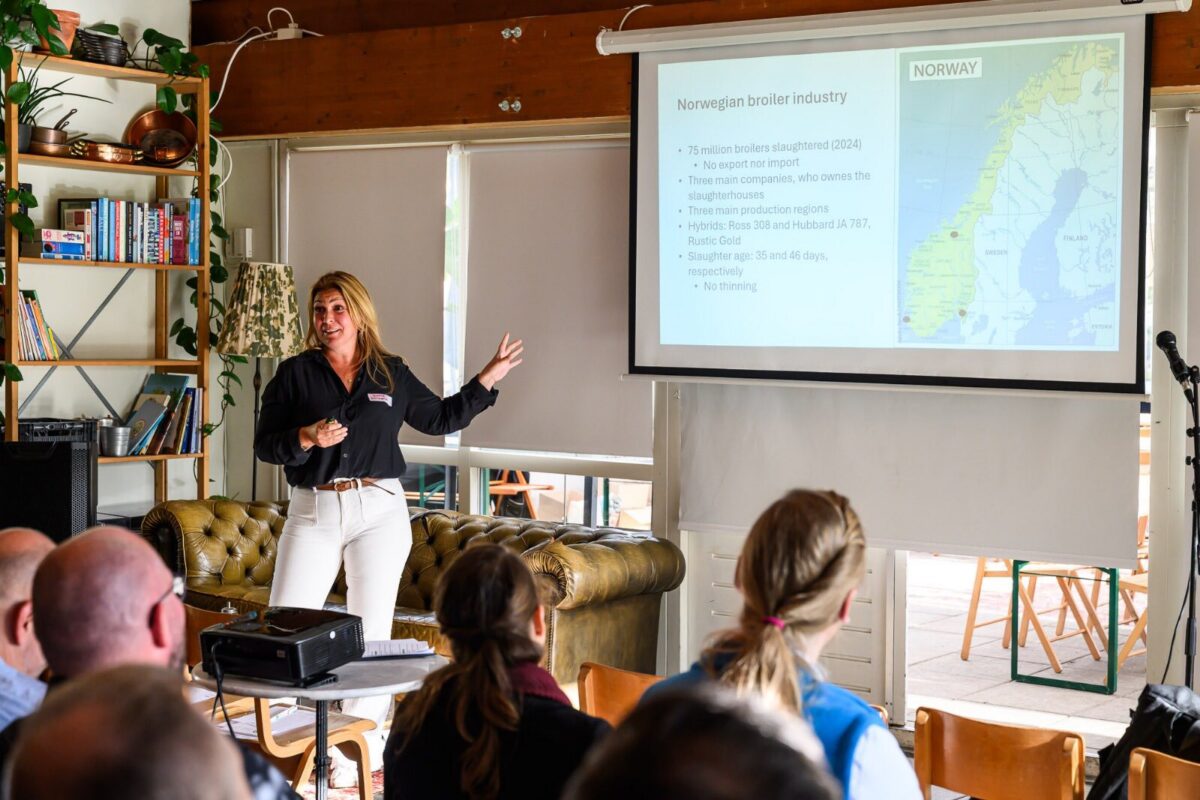
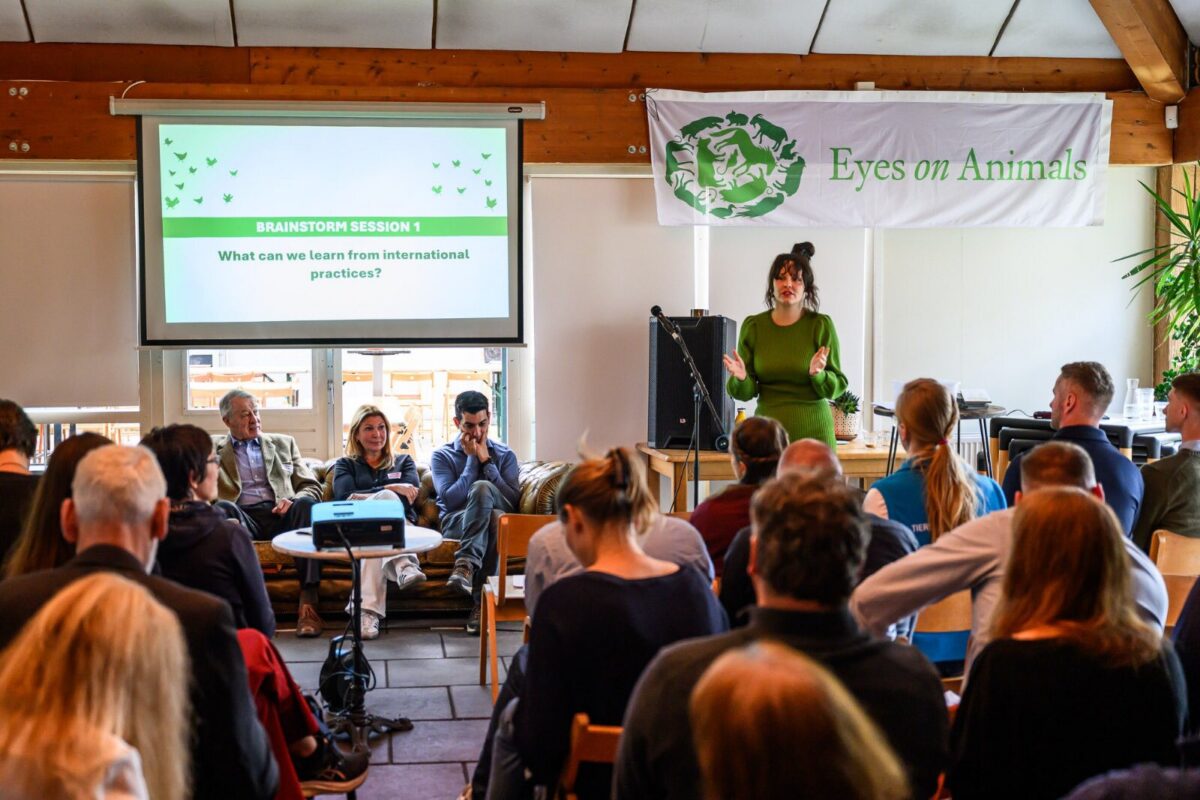
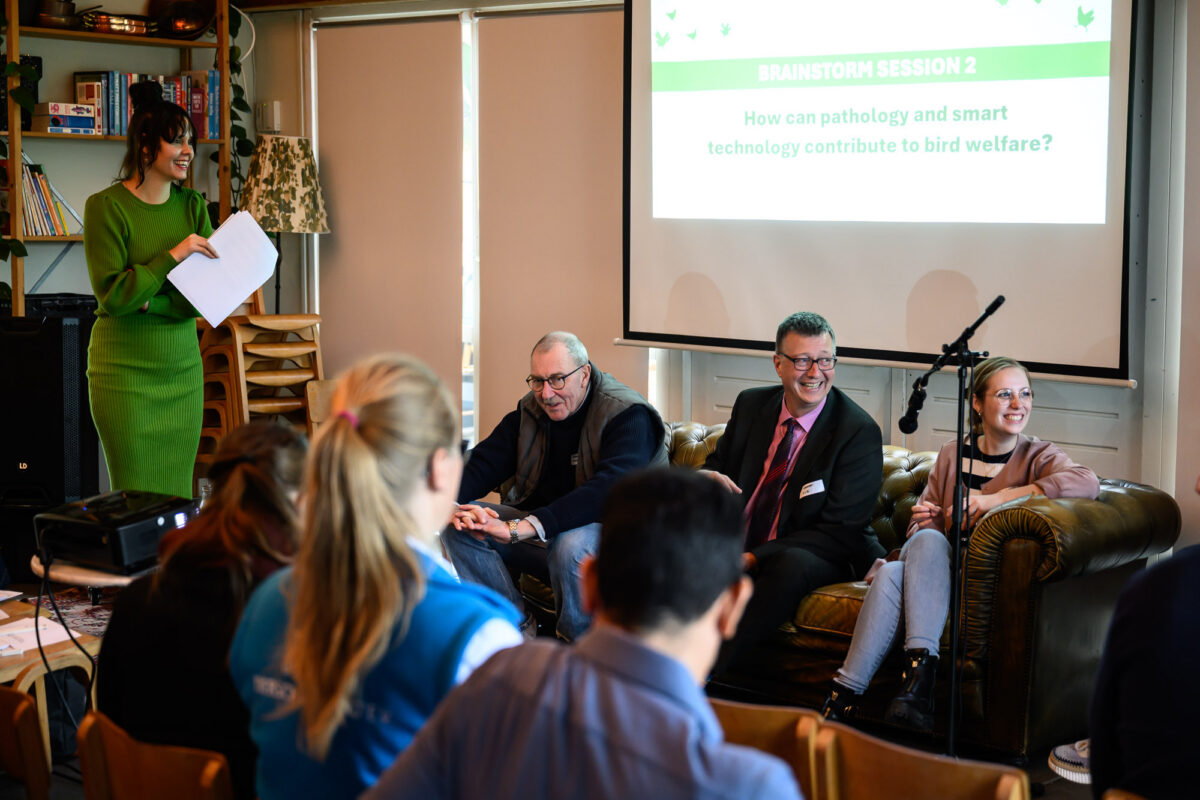
Today, Eyes on Animals hosted the first international conference dedicated to poultry catching and loading, held in Leiden, the Netherlands. About 80 representatives from over nine countries attended, including catching teams from the United Kingdom, Germany, and the Netherlands; engineers specializing in poultry transport containers and barn design from Italy and Poland; and researchers and consultants from Denmark, Scotland, and Brazil.

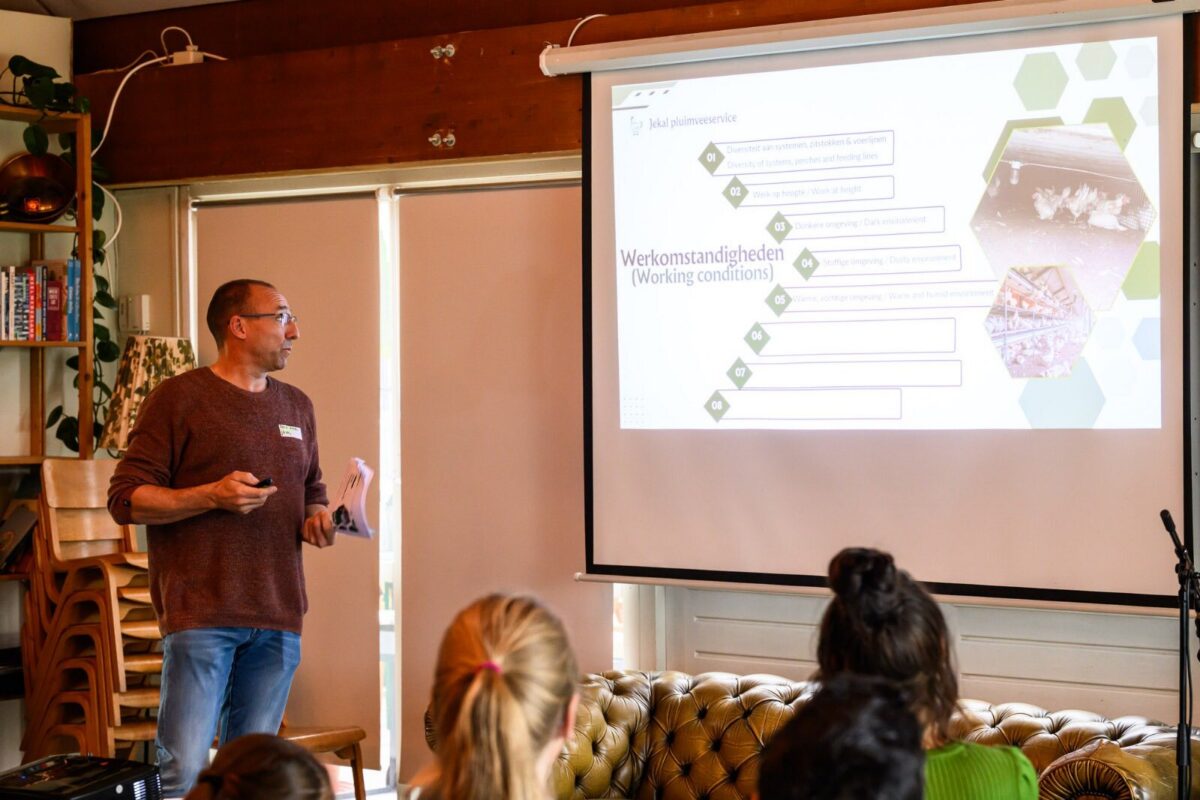
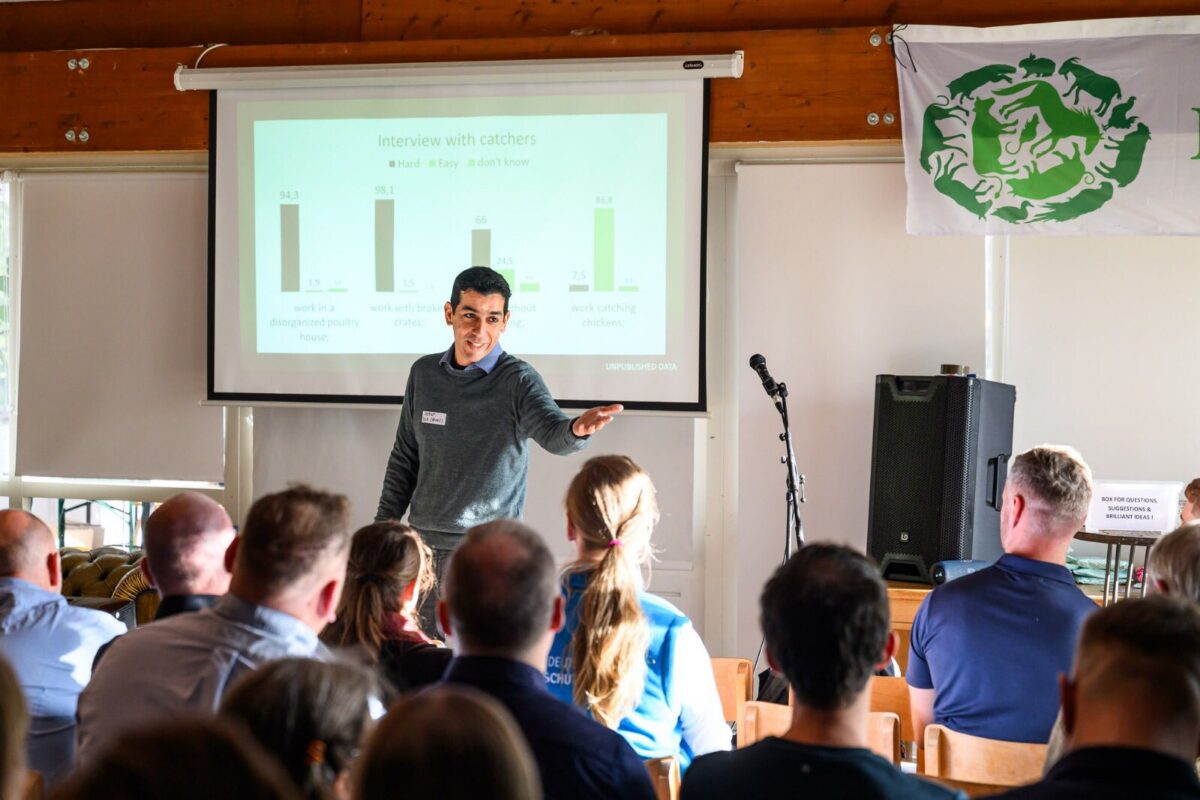
All key stakeholders involved in making poultry catching and loading more humane were present. Among the speakers were Victor Lima from Brazil – where most broilers are caught upright – Professor Donald Broom, a pioneer in the field of upright catching, and Peter Knapen, owner of the Dutch catching company Jekal. Along with several other experts (see the agenda below), they shared their insights, hands-on experience, and innovative ideas.

Key messages of the day included:

  • Catching needs to be calmer and less rushed to prevent injuries. It’s not just about the technique (upright or by the legs, upside down); the pressure from slaughterhouses and transport companies to “catch at high speed” must be drastically reduced.
  • The process needs modernization – to protect both animals and workers. How is it that we can automate egg and manure removal, yet still have people climbing up high or crawling on dirty floors to manually catch hens by their legs?
  • The design of the poultry transport containers and aviary systems urgently need improvement – such as increased headspace in transport modules to prevent wing damage and fewer obstacles in aviaries that hens can bump into when being caught.
  • More research is needed to better trace injuries and mortality caused by rough handling during catching. Studies tracing origin of injuries on pigs offer useful insights that could be applicable also for poultry, and technologies like artificial intelligence and monitoring of liver ruptures (often caused by poor handling during catching) also show promise.
  • Current official chicken-catcher training programs need to be updated: they must become more practical, interactive, and delivered in the catchers’ native language. More recognition and appreciation for poultry catchers is essential.
  • Reducing stress and injury should be rewarded – for example, by paying a price premium per bird to the more-gentle catchers.
  • More careful handling – including upright catching – offers significant financial potential that is still underexplored such as less trim loss, better meat quality, and lower mortality upon arrival. Rough catching not only causes injuries but can also lead to reputational damage.
  • Responsibility must be shared – all players in the chain must take responsibility and collaborate, rather than point fingers.

The conference was a great success: practical, inspiring, and full of fresh ideas. A follow-up smaller meeting will be organized to bring design experts and practitioners together to develop concrete solutions.

A special thank you goes to the Barth-Misset Fund for their financial support – without them, this conference would not have been possible.
View the program here >>

Leiden 2025
Leiden 2025
  • share 
  • share 
  • share 
  • save 
  • email 

Filed Under: Featured news Tagged With: animal welfare improvements, chicken transport, chicken-catching

Primary Sidebar

Search

Featured

Regional slaughterhouses are disappearing — and animals are paying the price

Across the Netherlands, regional slaughterhouses are disappearing at an alarming pace. Not because … [Read More...] about Regional slaughterhouses are disappearing — and animals are paying the price

Featured

Injured sows at Lunteren assembly centre: NVWA investigation ruled inadequate

January 29, 2026

The Dutch Trade and Industry Appeals Tribunal (College van Beroep voor het Bedrijfsleven, CBb) has … [Read More...] about Injured sows at Lunteren assembly centre: NVWA investigation ruled inadequate

Our most recent newsletter

Dear friends,

After two years of waiting for our new permit from the newly elected officials to import captive bolt stunners into Ghana, the shipment of 10 brand new captive bolt stunners, maintenance kits and tens of thousands of cartridges finally arrived from Amsterdam in Accra on December 19, 2025!

Read more…

Subscribe to our newsletter

Subscribe

* indicates required

Eyes on Animals op Twitter

eyes_on_animals Eyes on Animals @eyes_on_animals ·
4h

🔥🐖 Ondertussen bij onze Zuiderburen: 200 dieren gestorven bij grote stalbrand in Geluwe, oorzaak nog niet bekend | VRT NWS Nieuws #stalbrand #varkens

Reply on Twitter 2033817847999131811 Retweet on Twitter 2033817847999131811 1 Like on Twitter 2033817847999131811 4 Twitter 2033817847999131811
eyes_on_animals Eyes on Animals @eyes_on_animals ·
4h

📌 Belangrijk: “In zijn betoog zit een duidelijke vorm van framing. Blaustein-Rejto redeneert vanuit een ecomodernistische benadering. Glyfosaat wordt niet vergeleken met een landbouw zonder herbiciden, maar met alternatieven zoals andere herbiciden of intensiever ploegen.”

Reply on Twitter 2033814048622432700 Retweet on Twitter 2033814048622432700 Like on Twitter 2033814048622432700 1 Twitter 2033814048622432700
melkveetweet Melkvee.nl @melkveetweet ·
16 Mar

Melkveehouder Gerjo Koskamp houdt kalveren drie maanden bij de koe en melkt één keer per dag. Met minder koeien en eigen kaasmakerij kiest hij bewust voor een ander model binnen de #melkveehouderij en het #kalfbijdekoe-systeem.

Reply on Twitter 2033480999229620424 Retweet on Twitter 2033480999229620424 1 Like on Twitter 2033480999229620424 5 Twitter 2033480999229620424
Load More...

ANBI

Latest news

Meat printer prints plant based meat

NOS-news: The meat printer

October 13, 2022

Veggie burger

Vox: Plant-based meat is better for the planet

November 18, 2021

All Future Vision news

Footer

Donate with Paypal

Paypal Eyes on Animals
One-time donation:
Monthly donation:

Reading Material

  • In the Media
  • Newsletters
  • Special EonA reports
  • Legislative texts
  • ANBI

Our Amsterdam Office

Amsterdam House Hotel
Eyes on Animals main office is in downtown Amsterdam, at the Amsterdam House Hotel. The generous and warm-hearted hotel owner donated to Eyes on Animals, free of charge, a beautiful room where our inspectors can work, hold meetings and store their material.

Copyright © 2026 · Eyes on Animals | Website by Webkompaan