• Skip to primary navigation
  • Skip to main content
  • Skip to primary sidebar
  • Skip to footer
  • EYES ON ANIMALS – Watching out for their Welfare
  • English
  • Nederlands
  • Deutsch

Eyes on Animals

Watching out for their Welfare

  • Facebook
  • Instagram
  • Twitter
  • YouTube
DONATE
  • About us
    • What we do
    • Our team
    • Key Figures
    • Our Vision
    • Contact
  • News
    • Latest news
    • Good news
    • Bad news
    • Featured news
    • Newsletter
  • Inspections
    • Farms
    • Markets
    • Transports
    • Slaughterhouses
    • Special projects
    • Other
  • Training
    • Police
    • Truck drivers
    • Poultry-catchers
    • Slaughter personnel
    • Training Material
    • Request a training
  • Industry Tips
    • Animal transport
      • Cattle
      • Pigs
      • Poultry
    • Slaughterhouses
      • Cattle
      • Pigs
      • Poultry
      • Ritual slaughter
    • Educational videos
  • Publications
    • In the media
      • Print
      • Television
      • Radio
      • Videos
    • Newsletters
    • Special reports
    • Training Material
    • Annual reviews
  • Help us
Home » Our inspections » Work at Buipe cattle market, Ghana

Work at Buipe cattle market, Ghana

September 26, 2024

Last week the Wacpaw/EonA team visited the Buipe livestock market in Ghana’s Savannah Region, one of the country’s largest. Every Monday, 800 to 1000 cattle are brought in from across Ghana and neighboring countries like Ivory Coast and Burkina Faso, with over 60 trucks leaving the market for various destinations. The transport methods—three-wheel mini trucks, Kia trucks, and long trucks—are packed with animals unable to move and there’s no regulation in place to stop this.

We witnessed a disturbing lack of compassion from the handlers, who routinely kicked and dragged the animals; many also twisted the tails of the animals during loading, resulting in them breaking. This is excruciatingly painful as bones from the spine continue into their tails. The market offers no food or water for the animals, leaving many weakened and suffering. There are only two broken loading ramps, forcing the handlers to load the cattle manually, causing the cattle further pain and extreme fear. Even worse, no veterinarians were present to treat the animals in distress or put ones seriously injured out of their misery.

The market is harsh, and the environment does not support the animals’ welfare. In the face of this, we took immediate action, buying food for the animals in the worst condition, trying to ease their suffering. We believe the solution lies in training handlers in humane practices, installing proper feeding and water stations, providing on-site veterinarians, building functional loading ramps, and enforcing regulations to prevent overloading and mistreatment.

We are grateful to the market’s leadership and stakeholders for their cooperation during our visit and will remain in touch to get welfare improvements here. 

  • share 
  • share 
  • share 
  • save 
  • email 

Filed Under: market, Our inspections Tagged With: animal welfare inspection, live animal transports

Primary Sidebar

Search

Featured

Regional slaughterhouses are disappearing — and animals are paying the price

Across the Netherlands, regional slaughterhouses are disappearing at an alarming pace. Not because … [Read More...] about Regional slaughterhouses are disappearing — and animals are paying the price

Featured

Injured sows at Lunteren assembly centre: NVWA investigation ruled inadequate

January 29, 2026

The Dutch Trade and Industry Appeals Tribunal (College van Beroep voor het Bedrijfsleven, CBb) has … [Read More...] about Injured sows at Lunteren assembly centre: NVWA investigation ruled inadequate

Our most recent newsletter

Dear friends,

A couple of years ago, while I was giving a talk at an animal welfare conference in the UK, an anthropologist from the University of Cambridge approached me. She conducts research in Mongolia and asked whether — if she could secure funding — we would be willing to help animals there. Where there is a will, there is a way, so I said yes to Liz!

Read more…

Subscribe to our newsletter

Subscribe

* indicates required

Eyes on Animals op X

plant_treaty Plant Based Treaty @plant_treaty ·
10 May

When disasters strike the planet, humans are not the only victims. Animals trapped in animal agriculture are often left behind to die.⁠
⁠A plant-based diet uses less resources and has fewer emissions. ⁠
⁠Switch to a plant-based diet to reduce your impact on the Earth. 🌎️🌱

Reply on Twitter 2053458280932917491 Retweet on Twitter 2053458280932917491 88 Like on Twitter 2053458280932917491 155 Twitter 2053458280932917491
eyes_on_animals Eyes on Animals @eyes_on_animals ·
11 May

📌 Nieuw op onze website: Eyes on Animals geeft presentatie op Indonesische/Maleisische conferentie. #slacht

Reply on Twitter 2053747329023250632 Retweet on Twitter 2053747329023250632 Like on Twitter 2053747329023250632 Twitter 2053747329023250632
eyes_on_animals Eyes on Animals @eyes_on_animals ·
10 May

💚🐄 Moederdag: wij gingen op bezoek en brachten een bloemetje! #moederdag #kalfbijkoe

Reply on Twitter 2053565423526814183 Retweet on Twitter 2053565423526814183 Like on Twitter 2053565423526814183 8 Twitter 2053565423526814183
Load More...

ANBI

Latest news

Meat printer prints plant based meat

NOS-news: The meat printer

October 13, 2022

Veggie burger

Vox: Plant-based meat is better for the planet

November 18, 2021

All Future Vision news

Footer

Donate with Paypal

Paypal Eyes on Animals
One-time donation:
Monthly donation:

Reading Material

  • In the Media
  • Newsletters
  • Special EonA reports
  • Legislative texts
  • ANBI

Our Amsterdam Office

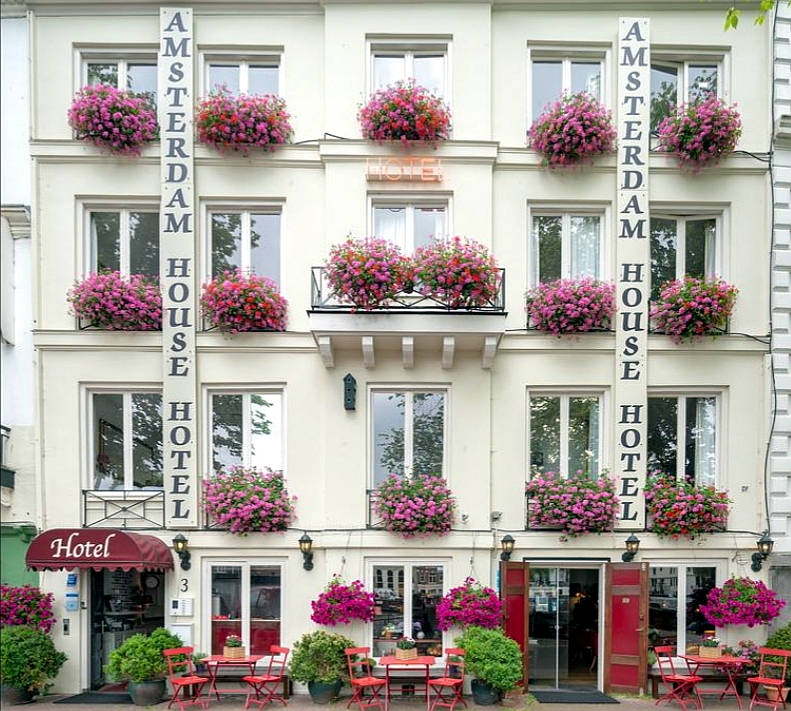
Amsterdam House Hotel
Eyes on Animals main office is in downtown Amsterdam, at the Amsterdam House Hotel. The generous and warm-hearted hotel owner donated to Eyes on Animals, free of charge, a beautiful room where our inspectors can work, hold meetings and store their material.

Copyright © 2026 · Eyes on Animals | Website by Webkompaan