• Skip to primary navigation
  • Skip to main content
  • Skip to primary sidebar
  • Skip to footer
  • EYES ON ANIMALS – Watching out for their Welfare
  • English
  • Dutch
  • German

Eyes on Animals

Watching out for their Welfare

  • Facebook
  • Instagram
  • Twitter
  • YouTube
DONATE
  • About us
    • What we do
    • Our team
    • Key Figures
    • Our Vision
    • Contact
  • News
    • Latest news
    • Good news
    • Bad news
    • Featured news
    • Newsletter
  • Inspections
    • Farms
    • Markets
    • Transports
    • Slaughterhouses
    • Special projects
    • Other
  • Training
    • Police
    • Truck drivers
    • Poultry-catchers
    • Slaughter personnel
    • Training Material
    • Request a training
  • Industry Tips
    • Animal transport
      • Cattle
      • Pigs
      • Poultry
    • Slaughterhouses
      • Cattle
      • Pigs
      • Poultry
      • Ritual slaughter
    • Educational videos
  • Publications
    • In the media
      • Print
      • Television
      • Radio
      • Videos
    • Newsletters
    • Special reports
    • Training Material
    • Annual reviews
  • Help us
Home » Our inspections » Visit to Clazing poultry slaughterhouse in Breukelen (NL) on a hot summer day

Visit to Clazing poultry slaughterhouse in Breukelen (NL) on a hot summer day

July 29, 2026

Today we made an unannounced visit to Clazing poultry slaughterhouse in Breukelen, the Netherlands. Our aim was to see what measures had been put in place to reduce heat stress in the broilers arriving and lairaged at the plant.

We were openly welcomed by the plant manager, who appreciated that we approached the conversation respectfully and constructively. He gave us permission to inspect the broilers in the lairage and even take some photos.

We were pleasantly surprised to see that, unlike in previous years, no chickens were waiting outside in the sun or under the temporary tent anymore. The lairage had been expanded, and one truck was waiting for space inside the lairage, in order for the containers to be offloaded. Next to the truck was a large, professional ventilation wall generating a strong airflow. The air moved well through the transport containers, providing welcome cooling for the chickens that had just arrived. 

Large ventilation wall generating a strong airflow through the stationary truck

Inside the holding area, the temperature was approximately 4°C lower than outside in direct sunlight (31.7°C versus 35.6°C). The relative humidity was slightly higher (42% versus 34%). 

One side of the holding area was equipped with fans combined with a misting system. 

We observed differences in the level of heat stress. Several chickens showed mild to moderate signs of heat stress (panting and extending their necks), particularly those deeper inside the transport containers. At these temperatures this is, unfortunately, difficult to avoid completely, unless air-conditioning is used. Fortunately, during our short visit, we did not observe birds showing alarming signals of heat stress. The measures that had been implemented were therefore clearly helping to reduce some of the impact of the heat.

Fans with misters helped provide some relief from the heat. The level of heat stress varied depending on the birds’ location (close to or further away from the fans) and the stocking density in the transport containers.

It was noticeable that fewer chickens were panting near the ventilation fans than further away in the holding area. This clearly demonstrated that the fans were effective, although the airflow did not yet reach far enough to benefit all of the birds equally. We also observed slightly more heat stress in containers that appeared to be stocked a little more densely. The more chickens in a container, the more difficult it becomes for air to circulate between them.

The plant manager explained that additional ventilation fans will soon be installed, including along the opposite wall of the holding area, and that the company is continuing to invest in further improvements. We see this as a positive development.

The company also plans to switch to a new gas stunning system that will allow the chickens to remain in their transport drawers from arrival until stunning. As a result, the birds will no longer need to be tipped out of the drawers while still conscious. We encourage this development.

We are pleased to see that, since the change of ownership, Clazing has invested substantially in measures to reduce heat stress. Such investments are becoming increasingly important as hot summer days become more frequent. We hope Clazing will also consider airconditioning to be able to cool down the lairage to temperatures that are more comfortable to the birds.

Finally, we would like to thank the manager of Clazing in Breukelen for his warm welcome, his openness, and the trust he placed in us by allowing us to observe the operation.

Filed Under: Our inspections, slaughterhouses Tagged With: animal welfare improvements, chicken transport, live animal transports

Primary Sidebar

Search

Featured

Improving broiler catching and loading: Eyes on Animals presents to the Better Chicken Business Network

Weeks of good stockmanship can be undone in just a few hours of rough catching and loading. Catching … [Read More...] about Improving broiler catching and loading: Eyes on Animals presents to the Better Chicken Business Network

Featured

Our 2025 Annual Review is now available

July 1, 2026

Read about how your support enabled Eyes on Animals' teams to work in the field throughout 2025. Our … [Read More...] about Our 2025 Annual Review is now available

Our most recent newsletter

Dear friends,

Some images stay with you forever. This is one of them.

Panic inside a sweltering pig truck
We are standing beneath a large canopy at a Dutch pig slaughterhouse. Outside, it is around 34°C in the shade. Legally, transport is still permitted at this temperature.

Read more…

Subscribe to our newsletter

Subscribe

* indicates required

Eyes on Animals op X

eyes_on_animals Eyes on Animals @eyes_on_animals ·
14 Aug

🥵 🐓 Vandaag en gisteren was het bloedheet.
Maar het transport van kippen ging gewoon door.
Ons team ging daarom bij 2 grote Nederlandse pluimveeslachterijen langs om te zien welke maatregelen zij hadden getroffen tegen hittestress. #kip #veetransport #slacht #hittestress

Reply on Twitter 2088327390480994490 Retweet on Twitter 2088327390480994490 5 Like on Twitter 2088327390480994490 19 Twitter 2088327390480994490
eyes_on_animals Eyes on Animals @eyes_on_animals ·
14 Aug

'Geen boeren, geen eten', dit zijn de grootste mythes over boeren https://www.gld.nl/nieuws/7720765/geen-boeren-geen-eten-dit-zijn-de-grootste-mythes-over-boeren?at_medium=sharing&at_campaign=sharedArticle&at_campaign_group=x #omroepgelderland

Reply on Twitter 2088167455680037117 Retweet on Twitter 2088167455680037117 12 Like on Twitter 2088167455680037117 12 Twitter 2088167455680037117
eyes_on_animals Eyes on Animals @eyes_on_animals ·
13 Aug

RT @helgavanleur: Het risico op een 'stilvallende' AMOC wordt groter wordt naarmate de aarde sneller opwarmt.
Wat kunnen we eraan doen? Ied…

Reply on Twitter 2088024612315484343 Retweet on Twitter 2088024612315484343 76 Like on Twitter 2088024612315484343 Twitter 2088024612315484343
Load More...

ANBI

Latest news

Meat printer prints plant based meat

NOS-news: The meat printer

October 13, 2022

Veggie burger

Vox: Plant-based meat is better for the planet

November 18, 2021

All Future Vision news

Footer

Donate with Paypal

Paypal Eyes on Animals
One-time donation:
Monthly donation:

Reading Material

  • In the Media
  • Newsletters
  • Special EonA reports
  • Legislative texts
  • ANBI

Our Amsterdam Office

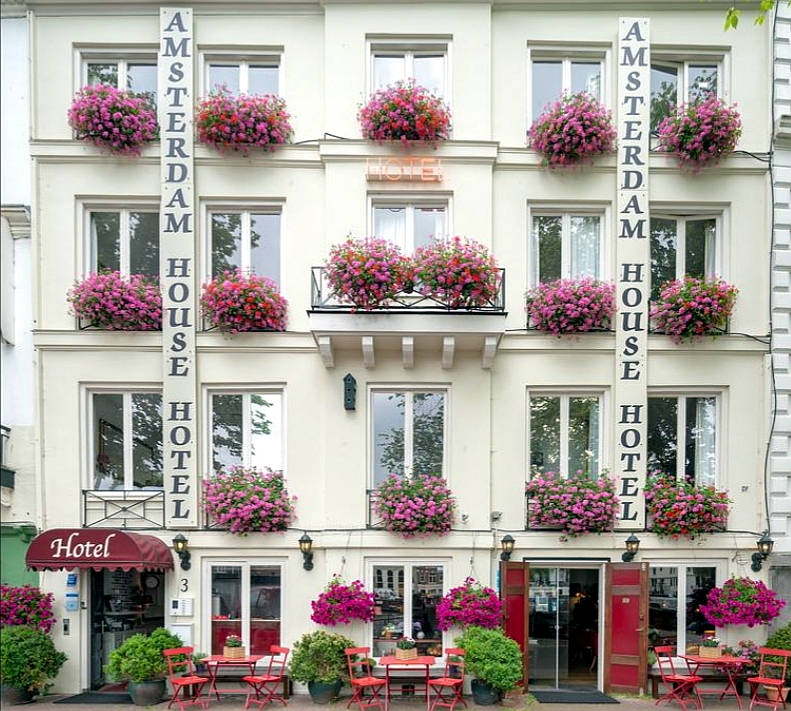
Amsterdam House Hotel
Eyes on Animals main office is in downtown Amsterdam, at the Amsterdam House Hotel. The generous and warm-hearted hotel owner donated to Eyes on Animals, free of charge, a beautiful room where our inspectors can work, hold meetings and store their material.

Copyright © 2026 · Eyes on Animals | Website by Webkompaan