• Skip to primary navigation
  • Skip to main content
  • Skip to primary sidebar
  • Skip to footer
  • EYES ON ANIMALS – Watching out for their Welfare
  • English
  • Dutch
  • German

Eyes on Animals

Watching out for their Welfare

  • Facebook
  • Instagram
  • Twitter
  • YouTube
DONATE SIGN-UP NEWSLETTER
  • About us
    • What we do
    • Our team
    • Key Figures
    • Our Vision
    • Contact
    • Make a donation
    • Newsletter
  • News
    • Latest news
    • Good news
    • Bad news
    • Featured news
    • Newsletter
  • Inspections
    • Farms
    • Markets
    • Transports
    • Slaughterhouses
    • Special projects
    • Other
  • Training
    • Police
    • Truck drivers
    • Poultry-catchers
    • Slaughter personnel
    • Training Material
    • Request a training
  • Education
  • Industry Tips
    • Animal transport
      • Cattle
      • Pigs
      • Poultry
    • Slaughterhouses
      • Cattle
      • Pigs
      • Poultry
      • Ritual slaughter
    • Educational videos
  • Publications
    • In the media
      • Print
      • Television
      • Radio
      • Videos
    • Newsletters
    • Special reports
    • Training Material
    • Annual reviews
  • Help us
Home » Our inspections » transport » Unannounced visit to Pali cattle collecting station in Belgium

Unannounced visit to Pali cattle collecting station in Belgium

September 15, 2010

The transport of cattle on double-deck trucks remains a problem with many cattle not having enough space above their backs. We have observed these transport problems at cattle slaughterhouses and public cattle-markets. Today we decided to also check if these problems exist at small, private cattle-collecting stations. We dropped by Pali collecting station. Despite coming unannounced we were warmly greeted and permitted to look inside. They however did not have any adult cattle and deal now almost solely in young calves. We observed 2-4 week old Holstein calves from the Czech republic and Germany inside their centre. There was a thick layer of fresh straw and we did not observe any sick or dead calves. There were many men inside, moving the calves around and giving them milk to drink. We did not observe any rough handling or screaming. The milk containers were built with nipples inside allowing the calves to perform their natural behavior of suckling. As well, they were built with dividers so that each calf could drink without being disturbed by his neighbor. This is a big improvement to what we have seen at calf collecting centers elsewhere in Europe, where calves are often given just electrolyte water in plain buckets.

pali

Eyes on Animals remains firm on its belief that unweaned animals should not be transported on long distances (calves are used to drinking milk at least once every 4-hours and cannot do so on board a vehicle, plus they are fragile by nature and at such a young age ought to be with their mother) but must praise this station for at least doing its very best.

pali2

pali1

Filed Under: transport

Primary Sidebar

Search

Featured

Calf in truck

Press-release: NVWA takes action against Irish transporters leaving calves without milk for too long

The Netherlands Food and Consumer Product Safety Authority (NVWA) is taking enforcement action … [Read More...] about Press-release: NVWA takes action against Irish transporters leaving calves without milk for too long

Featured

Improving broiler catching and loading: Eyes on Animals presents to the Better Chicken Business Network

August 1, 2026

Weeks of good stockmanship can be undone in just a few hours of rough catching and loading. Catching … [Read More...] about Improving broiler catching and loading: Eyes on Animals presents to the Better Chicken Business Network

Our most recent newsletter

Dear friends,

After years of our fieldwork and our enforcement requests, the NVWA (the Dutch government inspection authority) is finally taking action.

The NVWA has made it clear to the entire calf export-import industry between Ireland and the Netherlands: transporting unweaned calves for more than 30 hours without milk will no longer be tolerated.

Read more…

Subscribe to our newsletter

Subscribe

* indicates required

Eyes on Animals op X

vakbladvarkens

Varkens

@vakbladvarkens ·
21 Oct

Varkenshouders kunnen niet-levensvatbare biggen en zieke of wrakke varkens op een humane manier doden. Nieuwe methodes zoals stikstofschuim, een CO₂-box en een elektrotang maken dit mogelijk. Verbloeden is vaak niet meer nodig. #dierenwelzijn

Reply on Twitter 2112862245340537161 Retweet on Twitter 2112862245340537161 1 Like on Twitter 2112862245340537161 Twitter 2112862245340537161
dierbescherming

Dierenbescherming

@dierbescherming ·
19 Oct

"Ik geloof er hartstochtelijk in dat de belangen van dieren een vaste en vanzelfsprekende plaats moeten krijgen bij de keuzen die wij als samenleving maken voor de inrichting van ons land en het vormgeven van onze toekomst."

Reply on Twitter 2112122839654420796 Retweet on Twitter 2112122839654420796 20 Like on Twitter 2112122839654420796 122 Twitter 2112122839654420796
eyes_on_animals

Eyes on Animals

@eyes_on_animals ·
16 Oct

📌 Eyes on Animals: best wel bijzonder!
https://www.eyesonanimals.com/help-us/donate/

Reply on Twitter 2111039020943994922 Retweet on Twitter 2111039020943994922 2 Like on Twitter 2111039020943994922 2 Twitter 2111039020943994922

Footer

Donate with Paypal

Paypal Eyes on Animals
One-time donation:
Monthly donation:

Reading Material

  • In the Media
  • Newsletters
  • Special EonA reports
  • Legislative texts
  • ANBI

ANBI

Our Amsterdam Office

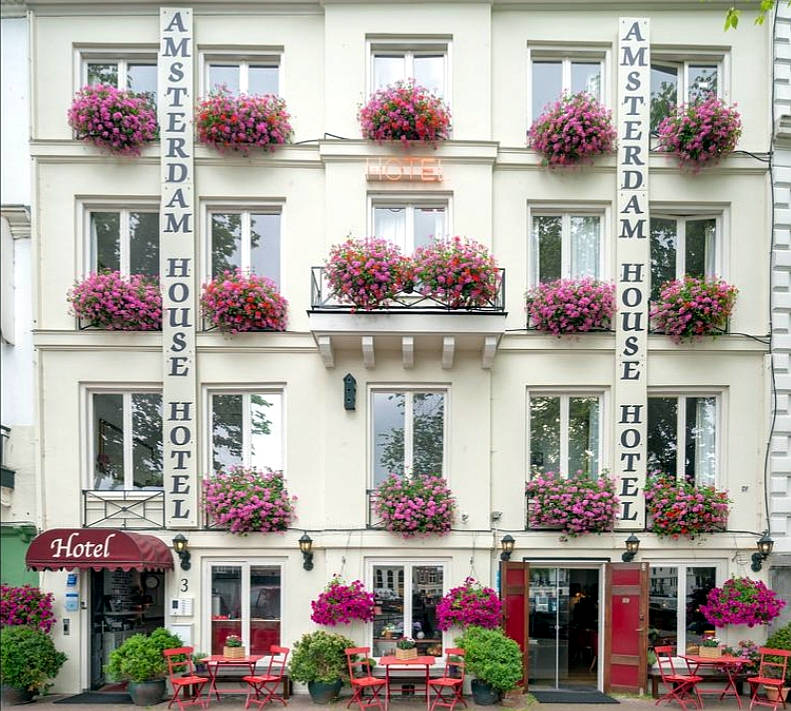
Amsterdam House Hotel
Eyes on Animals main office is in downtown Amsterdam, at the Amsterdam House Hotel. The generous and warm-hearted hotel owner donated to Eyes on Animals, free of charge, a beautiful room where our inspectors can work, hold meetings and store their material.

Copyright © 2026 · Eyes on Animals | Website by Webkompaan