• Skip to primary navigation
  • Skip to main content
  • Skip to primary sidebar
  • Skip to footer
  • EYES ON ANIMALS – Watching out for their Welfare
  • English
  • Nederlands
  • Deutsch

Eyes on Animals

Watching out for their Welfare

  • Facebook
  • Instagram
  • Twitter
  • YouTube
DONATE
  • About us
    • What we do
    • Our team
    • Key Figures
    • Our Vision
    • Contact
  • News
    • Latest news
    • Good news
    • Bad news
    • Featured news
    • Newsletter
  • Inspections
    • Farms
    • Markets
    • Transports
    • Slaughterhouses
    • Special projects
    • Other
  • Training
    • Police
    • Truck drivers
    • Poultry-catchers
    • Slaughter personnel
    • Training Material
    • Request a training
  • Industry Tips
    • Animal transport
      • Cattle
      • Pigs
      • Poultry
    • Slaughterhouses
      • Cattle
      • Pigs
      • Poultry
      • Ritual slaughter
    • Educational videos
  • Publications
    • In the media
      • Print
      • Television
      • Radio
      • Videos
    • Newsletters
    • Special reports
    • Training Material
    • Annual reviews
  • Help us
Home » News » NVWA to start enforcing rules on poultry trapped on their backs

NVWA to start enforcing rules on poultry trapped on their backs

March 24, 2025

Following enforcement requests by Animal Rights, the Dutch Food and Consumer Product Safety Authority (NVWA) will finally take stronger action against a long-standing animal welfare issue: birds ending up on their backs in transport crates or containers. This often occurs when poultry is handled roughly during loading and tossed into crates or containers at high speed and from a distance.

Once on their backs, birds are often unable to right themselves due to their heavy breast weight and the crowded conditions. In this position, they struggle to breathe (as they lack a diaphragm) and are frequently trampled by other birds. To make matters worse, once the crates and containers are stacked on the truck, they often cannot be opened. As a result, birds that are trapped, injured or stuck on their backs cannot be rescued during transport — many die before they even reach the slaughterhouse.

Following the enforcement requests, duck slaughterhouse Tomassen Duck-To has been fined twice for the presence of such animals. The NVWA has also introduced a new assessment framework for birds lying on their backs, which came into force on 1 November 2024 for all poultry slaughterhouses under permanent supervision.

This marks a crucial step forward: for the first time, fines are actively being issued for this form of animal suffering, and poultry catching teams will need to adapt their rough handling practices. We thank Animal Rights for their persistent efforts in bringing about this progress.

We now hope the NVWA will also begin enforcing existing rules on access doors in transport crates and containers — so that animals in distress can be reached and helped during transport.

  • share 
  • share 
  • share 
  • save 
  • email 

Filed Under: Good news, News Tagged With: animal welfare improvements, chicken transport

Primary Sidebar

Search

Featured

Regional slaughterhouses are disappearing — and animals are paying the price

Across the Netherlands, regional slaughterhouses are disappearing at an alarming pace. Not because … [Read More...] about Regional slaughterhouses are disappearing — and animals are paying the price

Featured

Injured sows at Lunteren assembly centre: NVWA investigation ruled inadequate

January 29, 2026

The Dutch Trade and Industry Appeals Tribunal (College van Beroep voor het Bedrijfsleven, CBb) has … [Read More...] about Injured sows at Lunteren assembly centre: NVWA investigation ruled inadequate

Our most recent newsletter

Dear friends,

Last night, just before bed, my phone beeped with this message from a Dutch dairy farmer: “We immediately started keeping the calves with the cows after returning from your conference!”

Read more…

Subscribe to our newsletter

Subscribe

* indicates required

Eyes on Animals op X

philip_ciwf Philip Lymbery @philip_ciwf ·
8h

“There is no fundamental difference between man and animals in their ability to feel pleasure and pain, happiness, and misery”
Charles Darwin

#KindnessToAllKinds
#EndFactoryFarming
@CIWF_Global

Reply on Twitter 2042851254418694288 Retweet on Twitter 2042851254418694288 54 Like on Twitter 2042851254418694288 119 Twitter 2042851254418694288
eyes_on_animals Eyes on Animals @eyes_on_animals ·
19h

“Natúúrlijk willen consumenten weten hoe dieren worden gehouden. Zeggen ze. Totdat die informatie te concreet wordt. Dan haken ze af.” #kip

Reply on Twitter 2042688263048057111 Retweet on Twitter 2042688263048057111 3 Like on Twitter 2042688263048057111 7 Twitter 2042688263048057111
_nvwa Nederlandse Voedsel- en Warenautoriteit @_nvwa ·
9 Apr

64% van de geïnspecteerde melkveebedrijven produceert meer fosfaat dan toegestaan. In 2025 gingen we risicogericht langs bij 52 bedrijven. 33 van hen produceerden in 2023 of 2024 te veel fosfaat.Te veel fosfaat is slecht voor de waterkwaliteit.

Meer info: https://www.nvwa.nl/actueel/nieuws/2026/04/09/merendeel-risicogericht-geinspecteerde-melkveehouders-produceert-te-veel-fosfaat

Reply on Twitter 2042167942637334887 Retweet on Twitter 2042167942637334887 5 Like on Twitter 2042167942637334887 7 Twitter 2042167942637334887
Load More...

ANBI

Latest news

Meat printer prints plant based meat

NOS-news: The meat printer

October 13, 2022

Veggie burger

Vox: Plant-based meat is better for the planet

November 18, 2021

All Future Vision news

Footer

Donate with Paypal

Paypal Eyes on Animals
One-time donation:
Monthly donation:

Reading Material

  • In the Media
  • Newsletters
  • Special EonA reports
  • Legislative texts
  • ANBI

Our Amsterdam Office

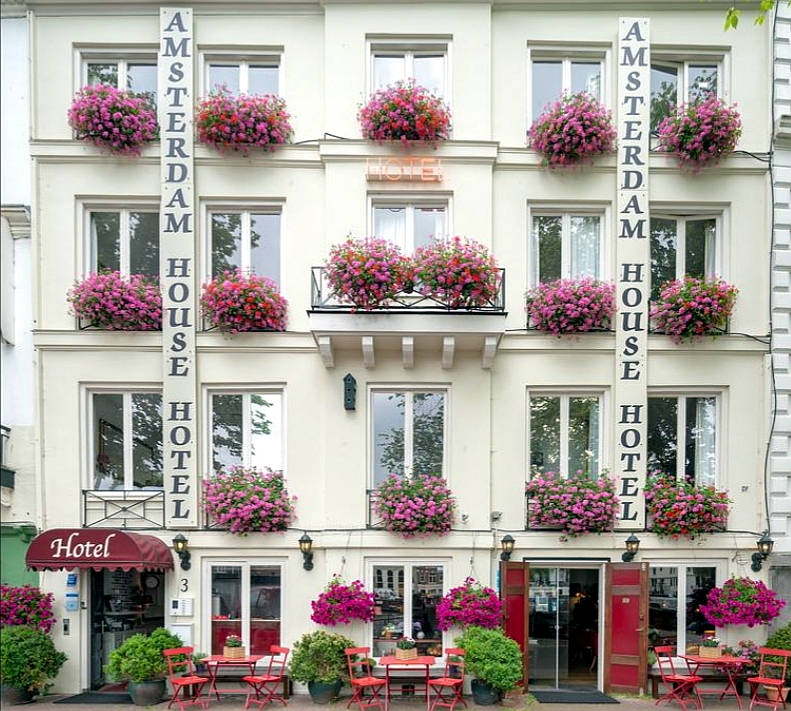
Amsterdam House Hotel
Eyes on Animals main office is in downtown Amsterdam, at the Amsterdam House Hotel. The generous and warm-hearted hotel owner donated to Eyes on Animals, free of charge, a beautiful room where our inspectors can work, hold meetings and store their material.

Copyright © 2026 · Eyes on Animals | Website by Webkompaan