• Skip to primary navigation
  • Skip to main content
  • Skip to primary sidebar
  • Skip to footer
  • EYES ON ANIMALS – Watching out for their Welfare
  • English
  • Dutch
  • German

Eyes on Animals

Watching out for their Welfare

  • Facebook
  • Instagram
  • Twitter
  • YouTube
DONATE
  • About us
    • What we do
    • Our team
    • Key Figures
    • Our Vision
    • Contact
    • Make a donation
    • Newsletter
  • News
    • Latest news
    • Good news
    • Bad news
    • Featured news
    • Newsletter
  • Inspections
    • Farms
    • Markets
    • Transports
    • Slaughterhouses
    • Special projects
    • Other
  • Training
    • Police
    • Truck drivers
    • Poultry-catchers
    • Slaughter personnel
    • Training Material
    • Request a training
  • Education
  • Industry Tips
    • Animal transport
      • Cattle
      • Pigs
      • Poultry
    • Slaughterhouses
      • Cattle
      • Pigs
      • Poultry
      • Ritual slaughter
    • Educational videos
  • Publications
    • In the media
      • Print
      • Television
      • Radio
      • Videos
    • Newsletters
    • Special reports
    • Training Material
    • Annual reviews
  • Help us
Home Β» Our inspections Β» transport Β» Consultation with the works council of the KDS on heatstress

Consultation with the works council of the KDS on heatstress

November 18, 2019

Today Eyes on Animals had a meeting with the worker’s council of the KDS (The Animal Sector Quality Inspection Foundation) about the welfare of animals and employees in extreme heat. KDS is responsible for the inspection of red meat with regards to food safety and animal welfare. They do this on behalf of the NVWA.

Inspection Pig Transport by Eyes on Animals

The works council of the KDS considers it important that animals are only brought in during the cool moments of the day to minimize heat stress during summer. “At the same time,” they state “this should not result in employees having to process carcasses in the heat of the day.” Working conditions in slaughterhouses are often very poor. “In extreme heat it is too hot in slaughterhouses. This is problematic for both the animals and employees.”

We conclude that the current production level is the bottleneck. The larger slaughterhouses run for so many hours that it is impossible to guarantee the welfare of both animals and workers. If animals
are being slaughtered between 16 and 18 hours a day, it is impossible to avoid the hottest hours of the day. Slaughterhouses will simply have to produce less to ensure that the welfare of humans and animals is not seriously harmed. Slaughterhouses must take responsibility.

The works council of the KDS also states that the current heat protocol is inadequate because it does not take into account the well-being of staff . Because of this they are busy developing their own protocol. Eyes on Animals will look at this protocol and where necessary make recommendations regarding animal welfare.


Filed Under: slaughterhouses, transport Tagged With: heatstress

Primary Sidebar

Search

Featured

Improving broiler catching and loading: Eyes on Animals presents to the Better Chicken Business Network

Weeks of good stockmanship can be undone in just a few hours of rough catching and loading. Catching … [Read More...] about Improving broiler catching and loading: Eyes on Animals presents to the Better Chicken Business Network

Featured

Our 2025 Annual Review is now available

July 1, 2026

Read about how your support enabled Eyes on Animals' teams to work in the field throughout 2025. Our … [Read More...] about Our 2025 Annual Review is now available

Our most recent newsletter

Dear friends,

Ever since I was a little girl, one thing has haunted me: intelligent, curious, social animals kept in deprived environments and slaughtered under painful conditions.

For me, no animal suffers more than the pig.

Read more…

Subscribe to our newsletter

Subscribe

* indicates required

Eyes on Animals op X

nieuweoogstnl Nieuwe Oogst @nieuweoogstnl ·
4 Sep

https://Nieuweoogst.tvπŸŽ₯Deze week laat @DutchFarmerInUA zien hoe de koeien naar de slacht worden gebracht. Het bedrijf gebruikt hiervoor het loopsysteem van Temple Grandin, hoogleraar dierwetenschappen in de Verenigde Staten. πŸ„ #koeien #slacht

Reply on Twitter 2095817137520607265 Retweet on Twitter 2095817137520607265 1 Like on Twitter 2095817137520607265 Twitter 2095817137520607265
eyes_on_animals Eyes on Animals @eyes_on_animals ·
4 Sep

πŸ’šπŸ–πŸ–πŸ–πŸ–πŸ–πŸ–πŸ–πŸ€
Van πŸ’• welkom!

Reply on Twitter 2095785138655211708 Retweet on Twitter 2095785138655211708 2 Like on Twitter 2095785138655211708 3 Twitter 2095785138655211708
ministerlvvn Jaimi van Essen @ministerlvvn ·
4 Sep

Het PBL bevestigt: het stikstofpakket zet de gewenste beweging in gang. De doelen komen binnen bereik. Met de verdere uitwerking en uitvoering van de maatregelen zetten we belangrijke stappen naar natuurherstel Γ©n maken we weer ruimte voor vergunningverlening. 1/4

Reply on Twitter 2095764617741889846 Retweet on Twitter 2095764617741889846 23 Like on Twitter 2095764617741889846 89 Twitter 2095764617741889846
Load More...

Footer

Donate with Paypal

Paypal Eyes on Animals
One-time donation:
Monthly donation:

Reading Material

  • In the Media
  • Newsletters
  • Special EonA reports
  • Legislative texts
  • ANBI

ANBI

Our Amsterdam Office

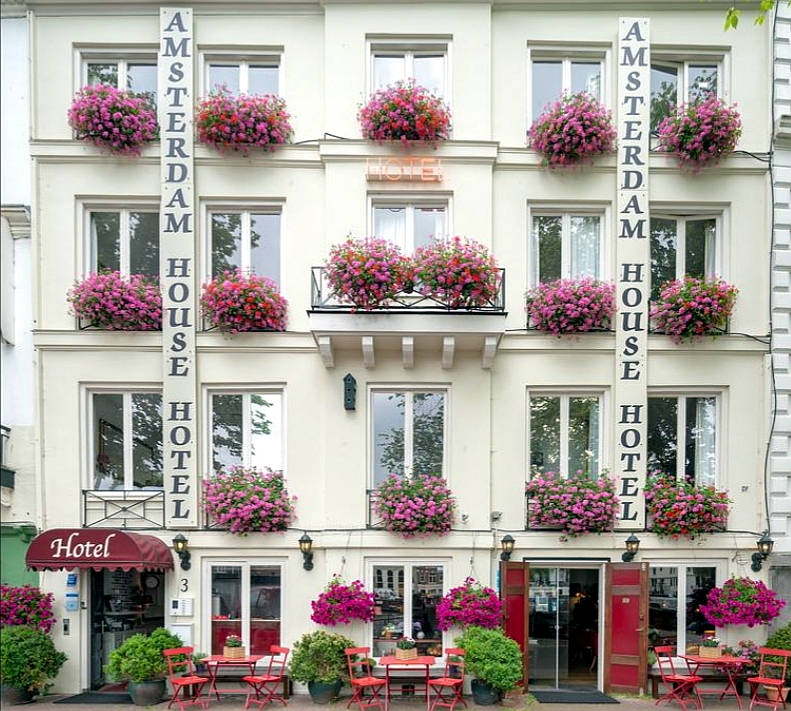
Amsterdam House Hotel
Eyes on Animals main office is in downtown Amsterdam, at the Amsterdam House Hotel. The generous and warm-hearted hotel owner donated to Eyes on Animals, free of charge, a beautiful room where our inspectors can work, hold meetings and store their material.

Copyright © 2026 Β· Eyes on Animals | Website by Webkompaan