• Skip to primary navigation
  • Skip to main content
  • Skip to primary sidebar
  • Skip to footer
  • EYES ON ANIMALS – Watching out for their Welfare
  • English
  • Dutch
  • German

Eyes on Animals

Watching out for their Welfare

  • Facebook
  • Instagram
  • Twitter
  • YouTube
DONATE
  • About us
    • What we do
    • Our team
    • Key Figures
    • Our Vision
    • Contact
  • News
    • Latest news
    • Good news
    • Bad news
    • Featured news
    • Newsletter
  • Inspections
    • Farms
    • Markets
    • Transports
    • Slaughterhouses
    • Special projects
    • Other
  • Training
    • Police
    • Truck drivers
    • Poultry-catchers
    • Slaughter personnel
    • Training Material
    • Request a training
  • Industry Tips
    • Animal transport
      • Cattle
      • Pigs
      • Poultry
    • Slaughterhouses
      • Cattle
      • Pigs
      • Poultry
      • Ritual slaughter
    • Educational videos
  • Publications
    • In the media
      • Print
      • Television
      • Radio
      • Videos
    • Newsletters
    • Special reports
    • Training Material
    • Annual reviews
  • Help us
Home » Our inspections » Meeting with Peer Systeem about the partial automation of catching and loading of laying hens

Meeting with Peer Systeem about the partial automation of catching and loading of laying hens

November 18, 2022

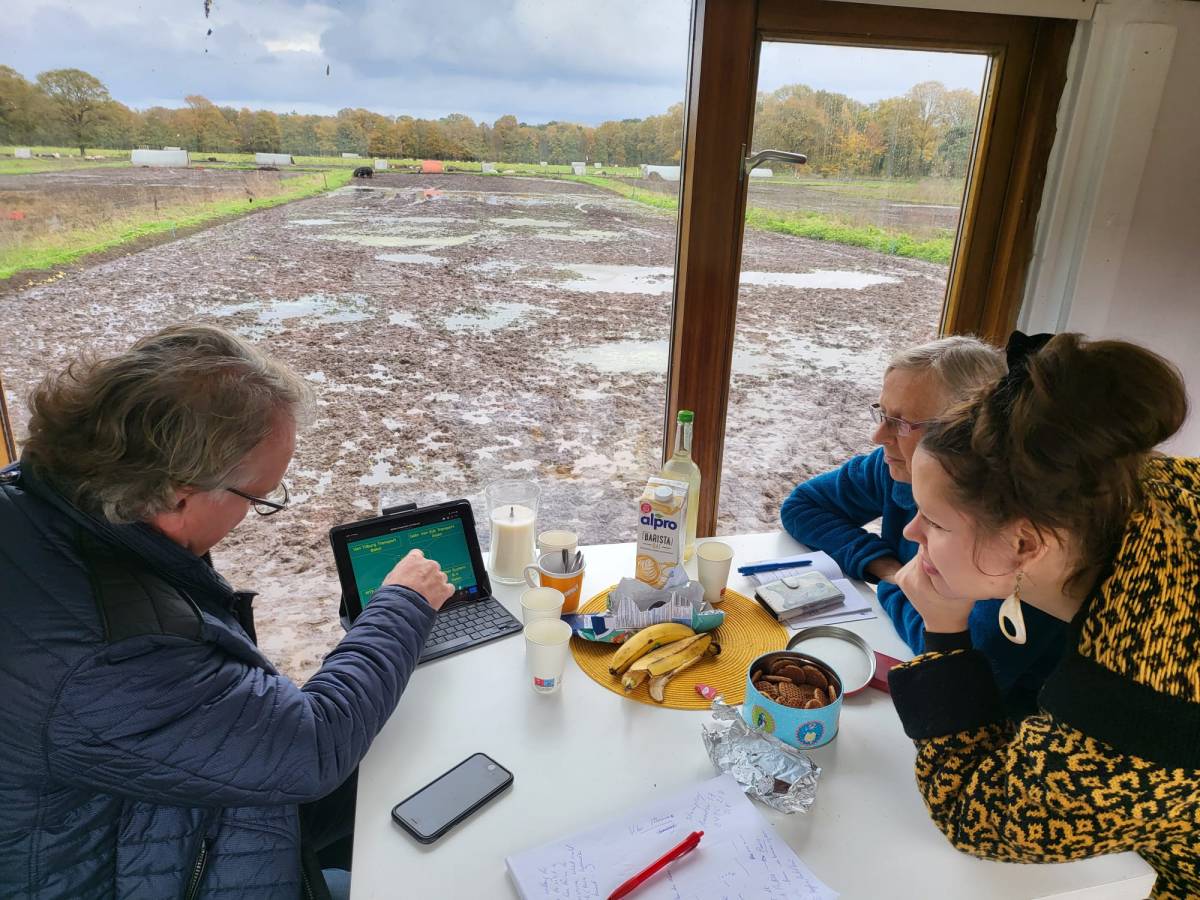
Today Eyes on Animals brainstormed with the chairman of Peer Systeem. Peer Systeem developed an automated system to catch, load and transport broilers. The system is currently being used in a Czech poultry slaughterhouse. The broilers are caught with a machine and transported to a mechanically ventilated poultry truck on a conveyor belt. There is little to no contact between humans and animals and the broilers remain upright during catching and loading. This is an advantage compared to the commercial catching method by which chickens are manually lifted by one leg and then thrown into containers with multiple animals at once. Because one barn usually has tens of thousands of broilers, fatigue and indifference among the catchers are likely to occur. 

We brainstormed how conveyor belts can also be used during the catching and loading of laying hens. Laying hens live in aviary systems which have different levels. To grab the hens, catchers often have to climb up and then “pass the hens to each other”. Catching machines in these systems are not an option as there are too many obstructions. But by using raised and mobile conveyor belts next to the aviary system, the hens can be placed on them, causing the work to be much lighter for the catchers. This way, more focus could be on the hens themselves, and the human-animal contact can be limited.  

We want to thank Peer Systeem for the positive talk and the sharing of their knowledge and contacts. We will work on the joint ideas and make them more concrete.  
Filed Under: Our inspections, transport Tagged With: animal welfare improvements, chicken transport, chicken-catching

Primary Sidebar

Search

Featured

Our 2025 Annual Review is now available

Read about how your support enabled Eyes on Animals' teams to work in the field throughout 2025. Our … [Read More...] about Our 2025 Annual Review is now available

Featured

Supporting “Eyes on Happy Pigs” — A New Educational Centre for Better Pig Welfare in the Netherlands

June 1, 2026

Eyes on Animals is pleased to support a promising new initiative in the Netherlands that aims to … [Read More...] about Supporting “Eyes on Happy Pigs” — A New Educational Centre for Better Pig Welfare in the Netherlands

Our most recent newsletter

Dear friends,

At Eyes on Animals, we believe real change for animals only happens through long-term focus and persistence. Since 2009, we have continuously investigated and exposed the fate of unwanted dairy calves in Europe.

Read more…

Subscribe to our newsletter

Subscribe

* indicates required

Eyes on Animals op X

eyes_on_animals Eyes on Animals @eyes_on_animals ·
20h

🥵🐖 Tijdens onze hittestress-inspecties zien we steeds vaker veewagens met geperforeerde zijwanden.
Onze metingen laten zien dat warme, vochtige lucht in deze wagens gemakkelijker blijft hangen, waardoor we meer hittestress waarnemen. Meer weten: lees verder op onze FB pagina.

Reply on Twitter 2074183936251449718 Retweet on Twitter 2074183936251449718 4 Like on Twitter 2074183936251449718 4 Twitter 2074183936251449718
eyes_on_animals Eyes on Animals @eyes_on_animals ·
4 Jul

RT @RTLnieuws: Undercoverbeelden tonen geweld tegen konijnen bij Nederlandse fokkers https://www.rtl.nl/nieuws/video/video/f4cceccd-af5b-409f-aa70-082c4e340d74/undercoverbeelden-tonen-geweld-tegen

Reply on Twitter 2073327959453090289 Retweet on Twitter 2073327959453090289 16 Like on Twitter 2073327959453090289 Twitter 2073327959453090289
eyes_on_animals Eyes on Animals @eyes_on_animals ·
3 Jul

🥵 Hitte zorgt voor sterke stijging meldingen dierenleed – Veearts https://veearts.nl/20260630/hitte-zorgt-voor-sterke-stijging-meldingen-dierenleed/#

Reply on Twitter 2073025062421016887 Retweet on Twitter 2073025062421016887 Like on Twitter 2073025062421016887 Twitter 2073025062421016887
Load More...

ANBI

Latest news

Meat printer prints plant based meat

NOS-news: The meat printer

October 13, 2022

Veggie burger

Vox: Plant-based meat is better for the planet

November 18, 2021

All Future Vision news

Footer

Donate with Paypal

Paypal Eyes on Animals
One-time donation:
Monthly donation:

Reading Material

  • In the Media
  • Newsletters
  • Special EonA reports
  • Legislative texts
  • ANBI

Our Amsterdam Office

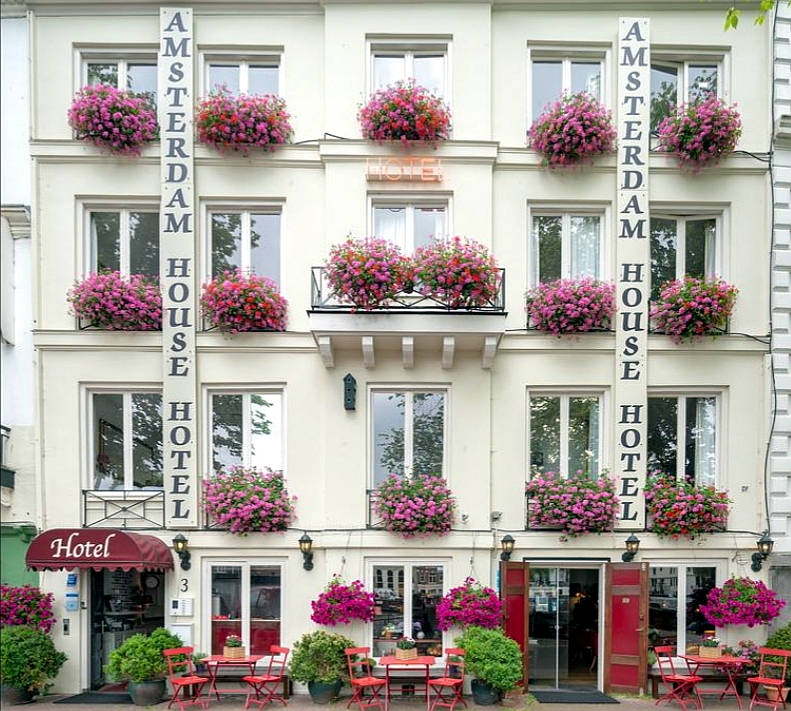
Amsterdam House Hotel
Eyes on Animals main office is in downtown Amsterdam, at the Amsterdam House Hotel. The generous and warm-hearted hotel owner donated to Eyes on Animals, free of charge, a beautiful room where our inspectors can work, hold meetings and store their material.

Copyright © 2026 · Eyes on Animals | Website by Webkompaan