• Skip to primary navigation
  • Skip to main content
  • Skip to primary sidebar
  • Skip to footer
  • EYES ON ANIMALS – Watching out for their Welfare
  • English
  • Nederlands
  • Deutsch

Eyes on Animals

Watching out for their Welfare

  • Facebook
  • Instagram
  • Twitter
  • YouTube
DONATE
  • About us
    • What we do
    • Our team
    • Key Figures
    • Our Vision
    • Contact
  • News
    • Latest news
    • Good news
    • Bad news
    • Featured news
    • Subscribe to our newsletter
  • Inspections
    • Farms
    • Markets
    • Transports
    • Slaughterhouses
    • Special projects
    • Other
  • Training
    • Police
    • Truck drivers
    • Poultry-catchers
    • Slaughter personnel
    • Training Material
    • Request a training
  • Industry Tips
    • Animal transport
      • Cattle
      • Pigs
      • Poultry
    • Slaughterhouses
      • Cattle
      • Pigs
      • Poultry
      • Ritual slaughter
    • Educational videos
  • Publications
    • In the media
      • Print
      • Television
      • Radio
      • Videos
    • Newsletters
    • Special reports
    • Training Material
    • Annual reviews
  • Help us
Home » News » Immunocastration of male piglets contrary to belief IS good and is allowed

Immunocastration of male piglets contrary to belief IS good and is allowed

June 22, 2023

The main reason millions of piglets in Europe, even in the organic pork industry, continue to be surgically castrated (a painful procedure with a lot of after-pain) is because intact boars have a small chance of developing boar taint by the time they reach “slaughter” age. This means that the overwhelming majority of boar piglets continue to be painfully castrated for no reason ! There are friendlier alternatives though. One is to simply stop castrating and instead adopt better husbandry, suitable feed and good genetics to limit boar taint and boar aggression. The other alternative is immunocastration, such as the Improvac vaccine.  This simply delays the onset of puberty, and thus boar taint does not develop in the males before they are sent for slaughter. Improvac is approved by the EU and its safety is confirmed by EFSA, but sadly this technology is not often used because the pork industry, especially the organic pork industry in the Netherlands, is taking the easy way out. Even after Improvac being used on the pork market worldwide without any scandal or criticism from customers, many stakeholders in Europe continue to believe that they may risk losing customers and thus don’t accept its use.  They would have to spend a lot of time and money educating retailers and consumers that there is no risk eating pork from immunocastrated pigs and they are simply not willing to do this extra work. Instead they allow the rumour to spread that immunocastration is not allowed, so that they don’t have to do any extra work ! As a consequence, millions of piglets on conventional and even organic free-range farms continue to be put through the painful procedure of surgical castration. In the Netherlands organic and many conventional piglets are even forced to inhale CO2 gas (the Sleeper restrainer) during the procedure, which causes extreme panic from the feeling of suffocation and leaves them traumatized. 
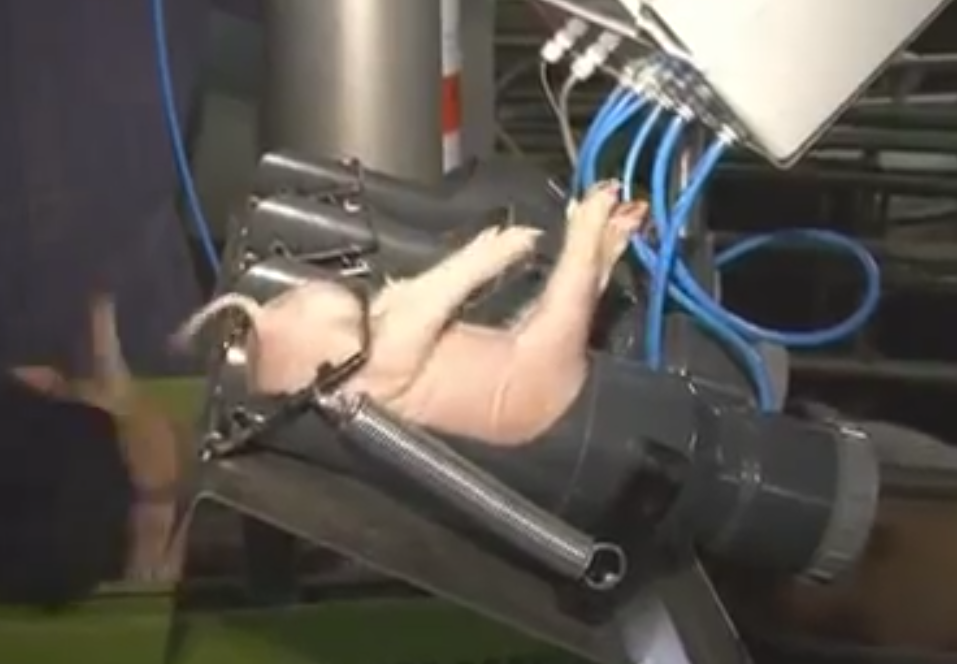
Eyes on Animals supports Improvac and would like to see this vaccine as being an additional alternative, on top of leaving the piglets intact, to the horrible surgical castration of male piglets.


  • share 
  • share 
  • share 
  • save 
  • email 

Filed Under: Good news, News Tagged With: animal welfare improvements, piglets

Primary Sidebar

Search

Featured

Export checks of young piglets for slaughter fall short: serious violations documented on transports from the Netherlands to Croatia

This summer, Eyes on Animals documented two long-distance transports of Dutch piglets to … [Read More...] about Export checks of young piglets for slaughter fall short: serious violations documented on transports from the Netherlands to Croatia

Featured

As small slaughterhouses disappear, transport distances increase

May 26, 2025

Eyes on Animals is observing a troubling trend: transport distances for culled cows and sows are … [Read More...] about As small slaughterhouses disappear, transport distances increase

Our most recent newsletter

Dear friends,

I hope you had a restful and recharging summer! Here are some encouraging updates on our projects.

Read more…

Subscribe to our newsletter

Subscribe

* indicates required

Eyes on Animals op Twitter

ciwfnl CIWF Nederland @ciwfnl ·
5 Nov

Schokkend onderzoek van @Eyes_on_Animals: zieke biggen worden op vreselijke transporten gesteld naar verre landen om daar goedkoper geslacht te worden. Sommigen overleven het zelfs niet...
Tijd voor veel betere regels in NL en EU! #stopverreveetransporten

Reply on Twitter 1986149304969421210 Retweet on Twitter 1986149304969421210 2 Like on Twitter 1986149304969421210 1 Twitter 1986149304969421210
eyes_on_animals Eyes on Animals @eyes_on_animals ·
5 Nov

📌🐖 Onze laatste nieuwsbrief: Lange afstandstransport van ‘restbiggetjes’ op Nieuwsuur en NOS! https://mailchi.mp/eyesonanimals.com/biggentransport?e=818abb91df

Reply on Twitter 1986140293867970717 Retweet on Twitter 1986140293867970717 Like on Twitter 1986140293867970717 1 Twitter 1986140293867970717
foodlog_nl foodlog.nl @foodlog_nl ·
5 Nov

TRENDING - Melk met methaanremmers niet helemaal zorgeloos #trending #dagelijksekost #bovear #methaanuitstoot #denemarken #efsa

Reply on Twitter 1986025754342183028 Retweet on Twitter 1986025754342183028 2 Like on Twitter 1986025754342183028 3 Twitter 1986025754342183028
Load More...

ANBI

Footer

Donate with Paypal

Paypal Eyes on Animals
One-time donation:
Monthly donation:

Reading Material

  • In the Media
  • Newsletters
  • Special EonA reports
  • Legislative texts
  • ANBI

Our Amsterdam Office

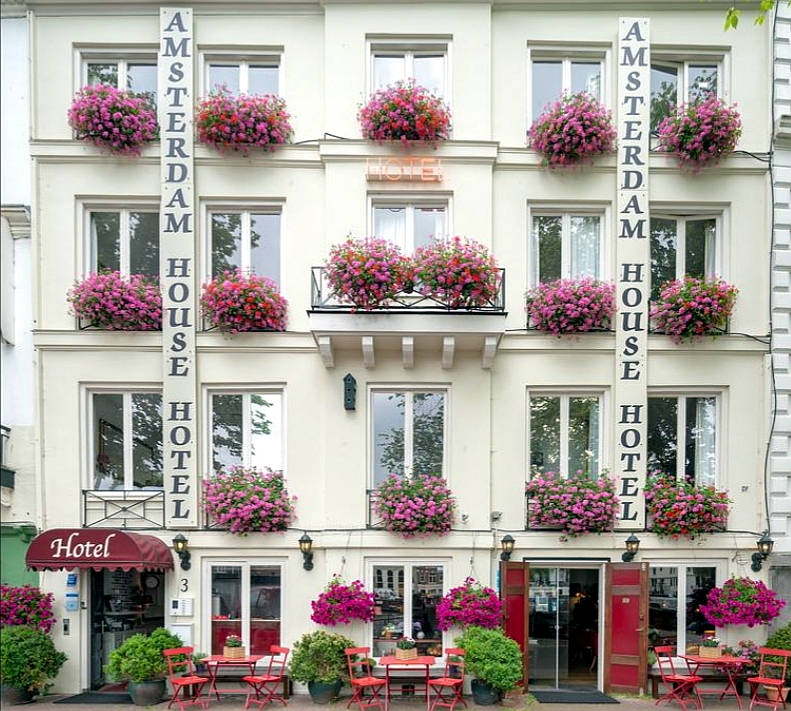
Amsterdam House Hotel
Eyes on Animals main office is in downtown Amsterdam, at the Amsterdam House Hotel. The generous and warm-hearted hotel owner donated to Eyes on Animals, free of charge, a beautiful room where our inspectors can work, hold meetings and store their material.

Copyright © 2025 · Eyes on Animals | Website by Webkompaan