• Skip to primary navigation
  • Skip to main content
  • Skip to primary sidebar
  • Skip to footer
  • EYES ON ANIMALS – Watching out for their Welfare
  • Englisch
  • Holländisch
  • Deutsch

Eyes on Animals

Watching out for their Welfare

  • Facebook
  • Instagram
  • Twitter
  • YouTube
SPENDEN ABONNIEREN NEWSLETTER
  • Über uns
    • Was wir tun
    • Unser Team
    • Kennzahlen
    • Kontakt
  • Neuigkeiten
    • Letzte Neuigkeiten
    • Gute Nachrichten
    • Schlechte Nachrichten
    • Abonnieren Sie unseren Newsletter
  • Inspektionen
    • Landwirtschaftliche Betriebe
    • Märkte und Sammelstationen
    • Transporte
    • Schlachthäuser
    • Projekte
    • Veterinärinspektoren
    • Sonstige
  • Schulungen
    • Polizei
    • LKW-Fahrer
    • Schlachthofmitarbeiter
    • Geflügelfänger
    • Trainingsmaterial
    • Schulungsanfrage
  • Industrietips
    • Transport
      • Rinder
      • Schweine
      • Geflügel
    • Schlachtung
      • Rinder
      • Schweine
      • Geflügel
      • Rituelle Schlachtung
    • Schulungsfilme
  • Publikationen
    • In den Medien
      • Presse
      • Fernsehen
      • Radio
      • Videos
    • Newsletters (Englisch)
    • Spezialberichte
    • Trainingsmaterial
    • Geschäftsberichte
  • Helfen
Home » Mitteilung » Visiting poultry farms to share good practices

Visiting poultry farms to share good practices

21. Juli 2026

Over the past few weeks, Eyes on Animals visited several dozen poultry farms across the Netherlands to talk about our project promoting the upright catching of chickens (instead of carrying them upside down by their legs) and about more humane ways to kill sick and injured birds. These are not always easy topics to discuss, but they are important ones.

This time, we decided to take a different approach. Instead of arranging meetings in advance, we simply knocked on farmers‘ doors, carrying information leaflets and a letter introducing our projects.

It was exciting, not only for us, but also for the farmers. Yet initial hesitation often gave way to open, honest and constructive conversations.

We visited a wide variety of farms. At first, we focused mainly on organic farms, farms producing under the Dutch Beter Leven animal welfare label, and smaller mobile poultry houses. As the project progressed, however, we also decided to visit more conventional poultry farms.

As certified chicken catchers ourselves, we offered to return free of charge when the farmers‘ next flock is caught, so we can help catch the birds using the upright method alongside the regular catching team. One of the concerns we hear most often is that upright catching takes more time. By helping as an extra catching team, we hope to remove that barrier. After all, the only way to fairly evaluate a different working method is to experience it in practice.

Watch a video of these visits below.

We also spoke with farmers about more humane methods for killing sick and injured chickens. On many farms, cervical dislocation—breaking the bird’s neck—is still commonly used. This method is neither instantaneous nor painless, and it is not always easy to perform correctly. Electrical stunning devices, such as the H2H Euthanizer, and small captive-bolt devices can prevent a great deal of unnecessary suffering while also lowering the emotional barrier to ending an animal’s suffering.

What made these visits particularly valuable were the sometimes very personal conversations. We talked not only about animal welfare, but also about the daily lives of poultry farmers, the challenges they face, and the criticism they often receive from different directions.

It was encouraging to learn that a number of farms are already using the upright catching method. Some have deliberately chosen not to publicize this, as the subject remains sensitive within the sector.

For Eyes on Animals, these visits were incredibly worthwhile. Meaningful change does not happen through reports or training alone. It also comes from meeting people, listening to one another, and working together to find practical ways to improve the lives of animals.

Filed Under: Inspektionen, Landwirtschaftliche Betriebe Tagged With: animal welfare inspection, chicken-catching

Primary Sidebar

Search

Featured

Improving broiler catching and loading: Eyes on Animals presents to the Better Chicken Business Network

Weeks of good stockmanship can be undone in just a few hours of rough catching and loading. Catching … [Read More...] about Improving broiler catching and loading: Eyes on Animals presents to the Better Chicken Business Network

Featured

Our 2025 Annual Review is now available

1. Juli 2026

Read about how your support enabled Eyes on Animals' teams to work in the field throughout 2025. Our … [Read More...] about Our 2025 Annual Review is now available

Unser neuste Newsletter

Dear friends,

After years of our fieldwork and our enforcement requests, the NVWA (the Dutch government inspection authority) is finally taking action.

The NVWA has made it clear to the entire calf export-import industry between Ireland and the Netherlands: transporting unweaned calves for more than 30 hours without milk will no longer be tolerated.

Read more…

Erhalten Sie unseren englischen Newsletter

Subscribe

* indicates required

Eyes on Animals op X

eyes_on_animals

Eyes on Animals

@eyes_on_animals ·
16 Okt.

📌 Eyes on Animals: best wel bijzonder!
https://www.eyesonanimals.com/help-us/donate/

Auf Twitter antworten 2111039020943994922 Retweet auf Twitter 2111039020943994922 1 Auf Twitter liken 2111039020943994922 1 Twitter 2111039020943994922
zembla

Zembla

Verified account @zembla ·
15 Okt.

Update | Zorgminister Hermans maakt twintig jaar na het begin van de Q-koortsepidemie excuses namens het kabinet. Tienduizenden mensen in Noord-Brabant raken vanaf 2007 geïnfecteerd door besmette geitenboerderijen. Tweeduizend mensen zijn nog altijd chronisch ziek. De

Auf Twitter antworten 2110746310533849137 Retweet auf Twitter 2110746310533849137 6 Auf Twitter liken 2110746310533849137 6 Twitter 2110746310533849137
foodlog_nl

foodlog.nl

@foodlog_nl ·
15 Okt.

Als een koe weet wat ze met een bezem wil

Auf Twitter antworten 2110611378914382261 Retweet auf Twitter 2110611378914382261 1 Auf Twitter liken 2110611378914382261 Twitter 2110611378914382261

Footer

Donate with Paypal

Paypal Eyes on Animals
Beträge (einmalig):

Beträge (monatliche Spenden):

Lesestoff

  • In den Medien
  • Newsletters
  • Gesetzestexte
  • Spezialberichte
  • ANBI

ANBI

Our Amsterdam Office

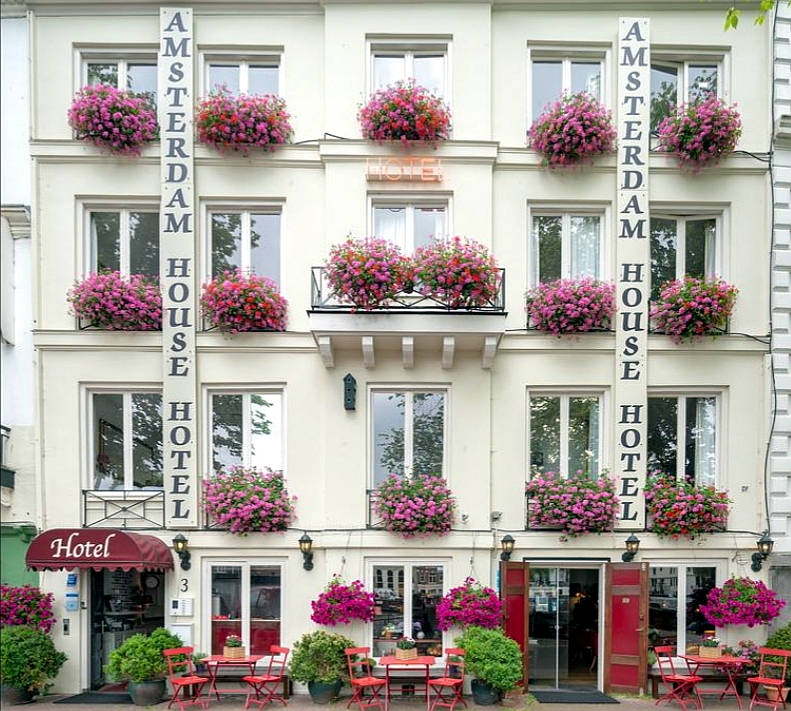
Amsterdam House Hotel
Das Büro von Eyes on Animals befindet sich im Amsterdam House Hotel direkt im Zentrum von Amsterdam. Die großzügige und warmherzige Hotelbetreiberin hat Eyes on Animals kostenfrei ein Zimmer zur Verfügung gestellt, in dem unsere Inspektoren arbeiten, Unterlagen unterbringen und Meetings abhalten können.

Copyright © 2026 · Eyes on Animals | Website by Webkompaan