• Skip to primary navigation
  • Skip to main content
  • Skip to primary sidebar
  • Skip to footer
  • EYES ON ANIMALS – Watching out for their Welfare
  • English
  • Dutch
  • German

Eyes on Animals

Watching out for their Welfare

  • Facebook
  • Instagram
  • Twitter
  • YouTube
DONATE SIGN-UP NEWSLETTER
  • About us
    • What we do
    • Our team
    • Key Figures
    • Our Vision
    • Contact
    • Make a donation
    • Newsletter
  • News
    • Latest news
    • Good news
    • Bad news
    • Featured news
    • Newsletter
  • Inspections
    • Farms
    • Markets
    • Transports
    • Slaughterhouses
    • Special projects
    • Other
  • Training
    • Police
    • Truck drivers
    • Poultry-catchers
    • Slaughter personnel
    • Training Material
    • Request a training
  • Education
  • Industry Tips
    • Animal transport
      • Cattle
      • Pigs
      • Poultry
    • Slaughterhouses
      • Cattle
      • Pigs
      • Poultry
      • Ritual slaughter
    • Educational videos
  • Publications
    • In the media
      • Print
      • Television
      • Radio
      • Videos
    • Newsletters
    • Special reports
    • Training Material
    • Annual reviews
  • Help us
Home » Our inspections » Seminar on Slaughterhouse Improvements, Tokyo, Japan

Seminar on Slaughterhouse Improvements, Tokyo, Japan

October 29, 2026

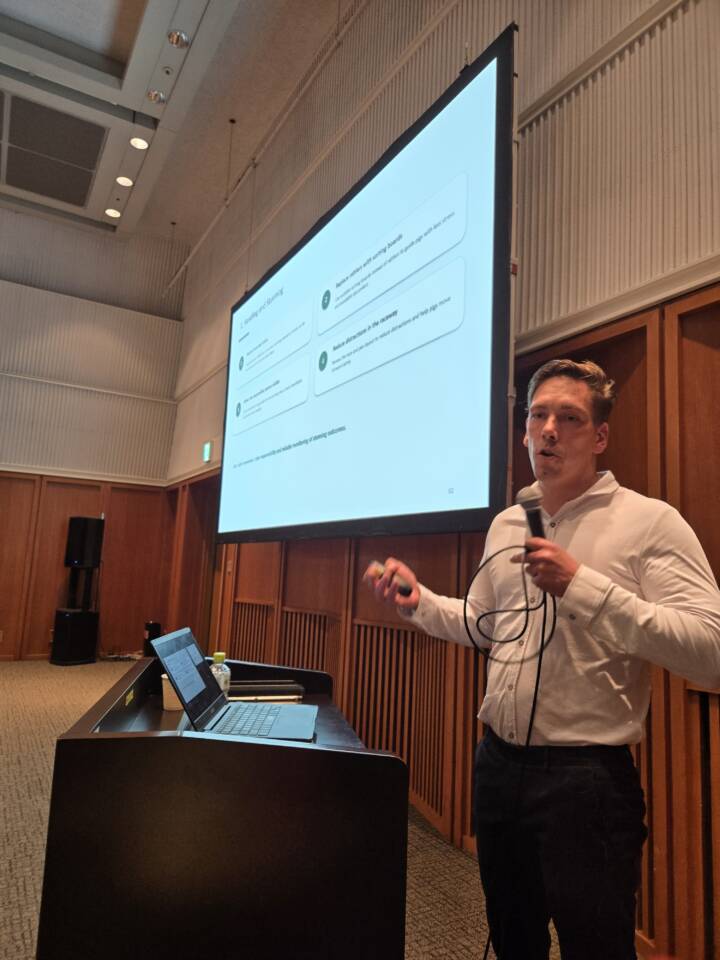
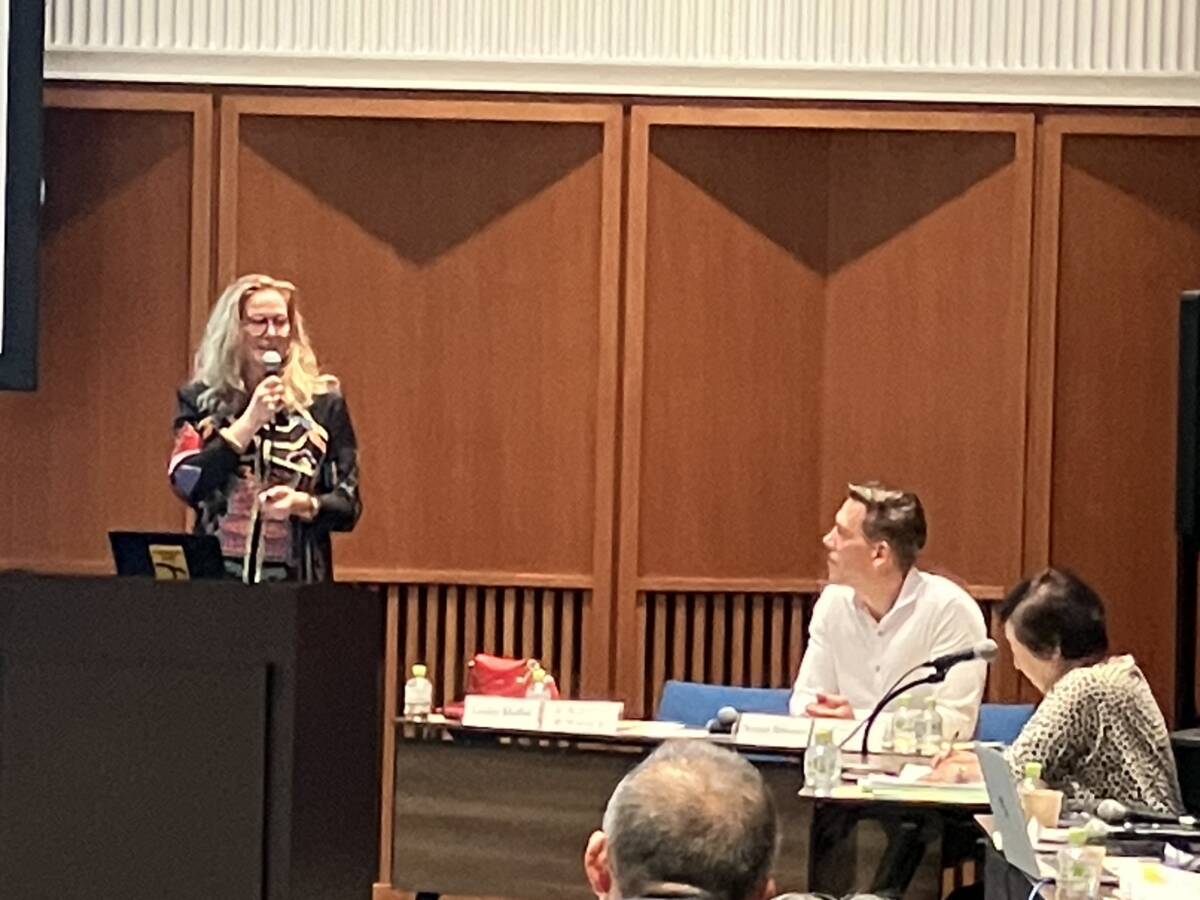
Lesley (EonA) and Dennis (animal welfare officer at the Dutch pig slaughterhouse EonA works closely with to bring out the full potential of electric stunning) spoke at a big animal-welfare seminar in Tokyo today. Hosted by JAMTI (the umbrella organization representing 200 Japanese slaughterhouses and that hired us to come), it brought together around 100 professionals from the slaughter industry, including representatives from the Ministries of Agriculture and Health.
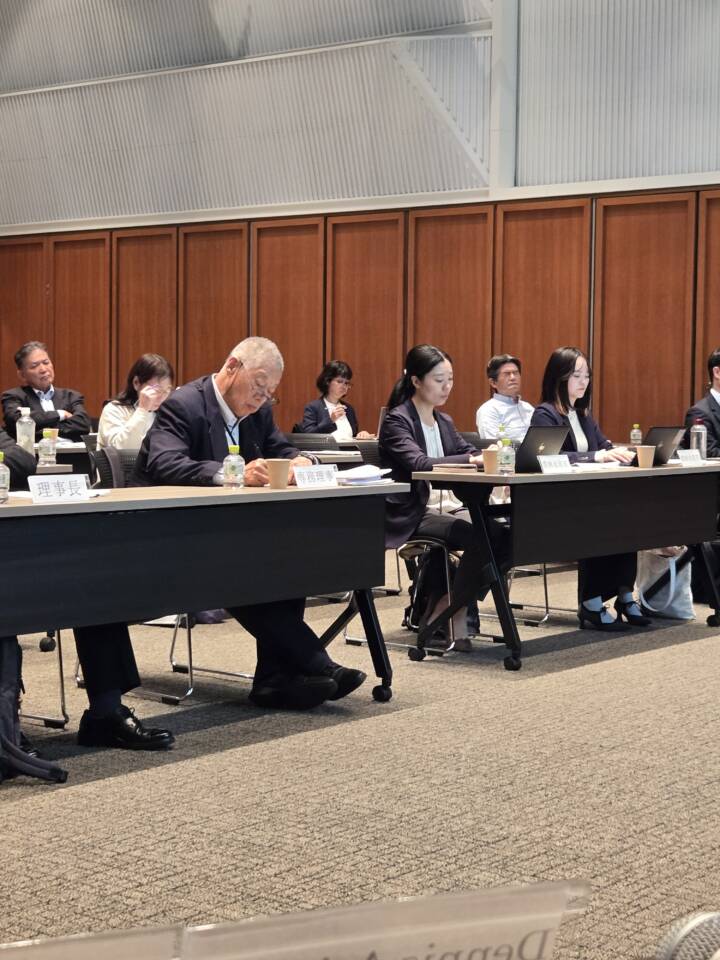
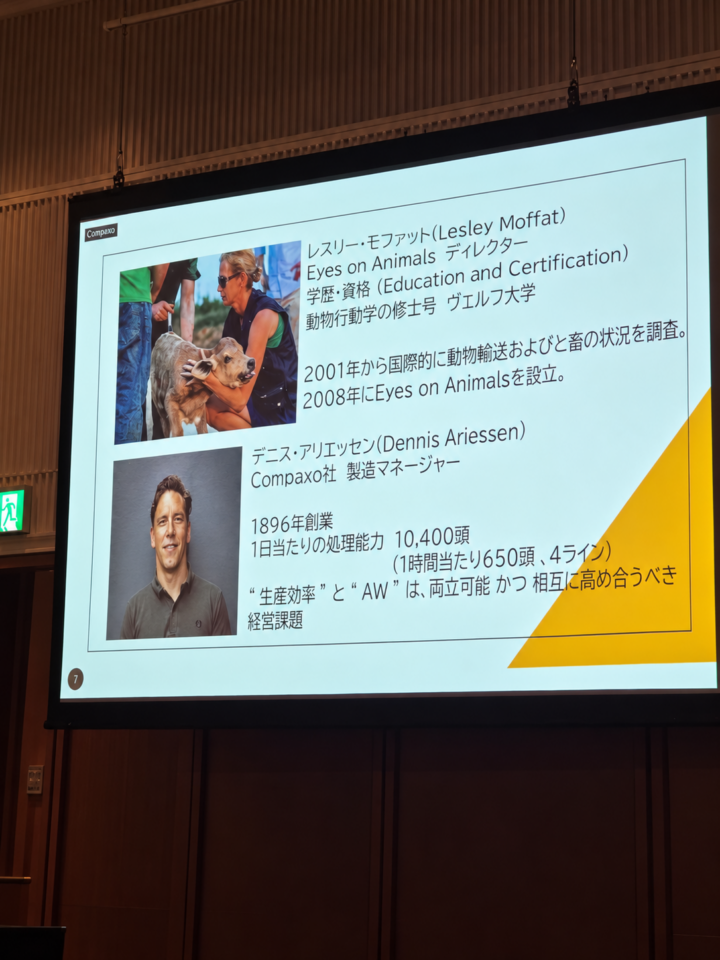
The seminar was a summary of our visits that week: what we thought was good and where improvements could make a real difference. We were commissioned to advise on plant improvements, animal behaviour and design, legislation, worker protocols and learning material.

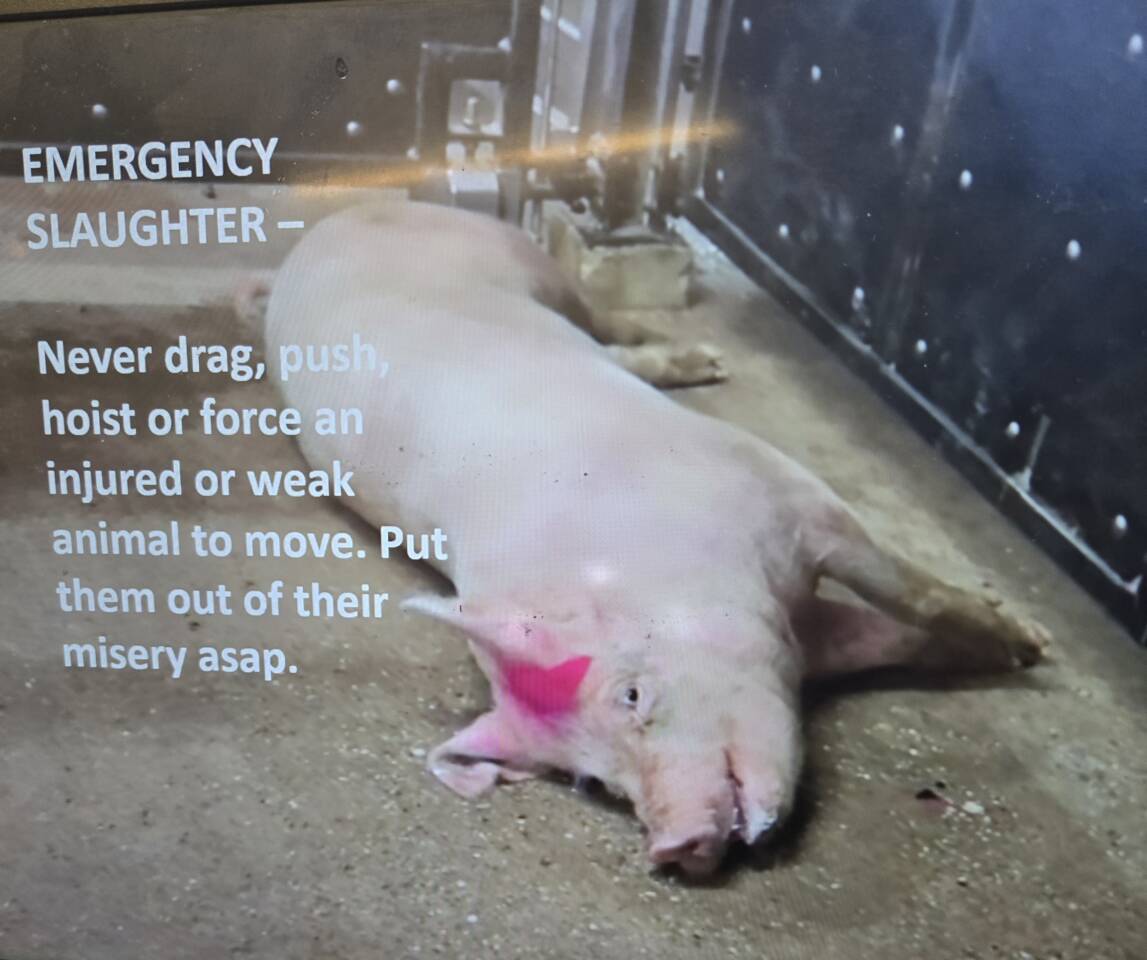
We explained that the plants we visited were without hectic high throughput lines, with a manageable pace of work. Design was very good as were the conditions of the unloading ramps and lairages. But our top priority was a crucial gap: the treatment of animals arriving weak, injured or unable to walk without pain or distress. These animals must no longer be forced to move. Using photos and footage, including examples from the Dutch plant, we explained how to recognize these cases and how to intervene by performing emergency slaughter with a mobile electric stunner or captive bolt stunner. This means the animal is rendered first unconsciousness, followed by killing, without making the animal get up or walk.
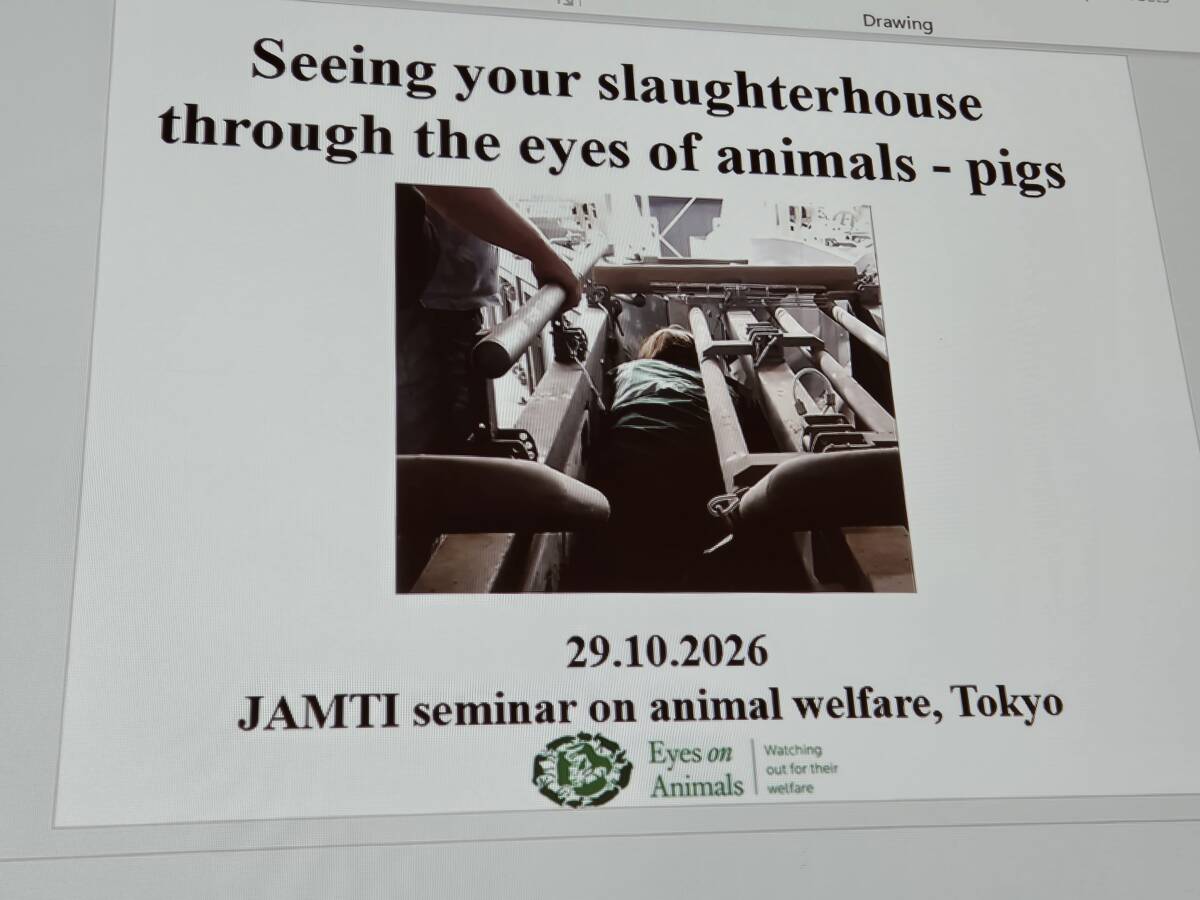
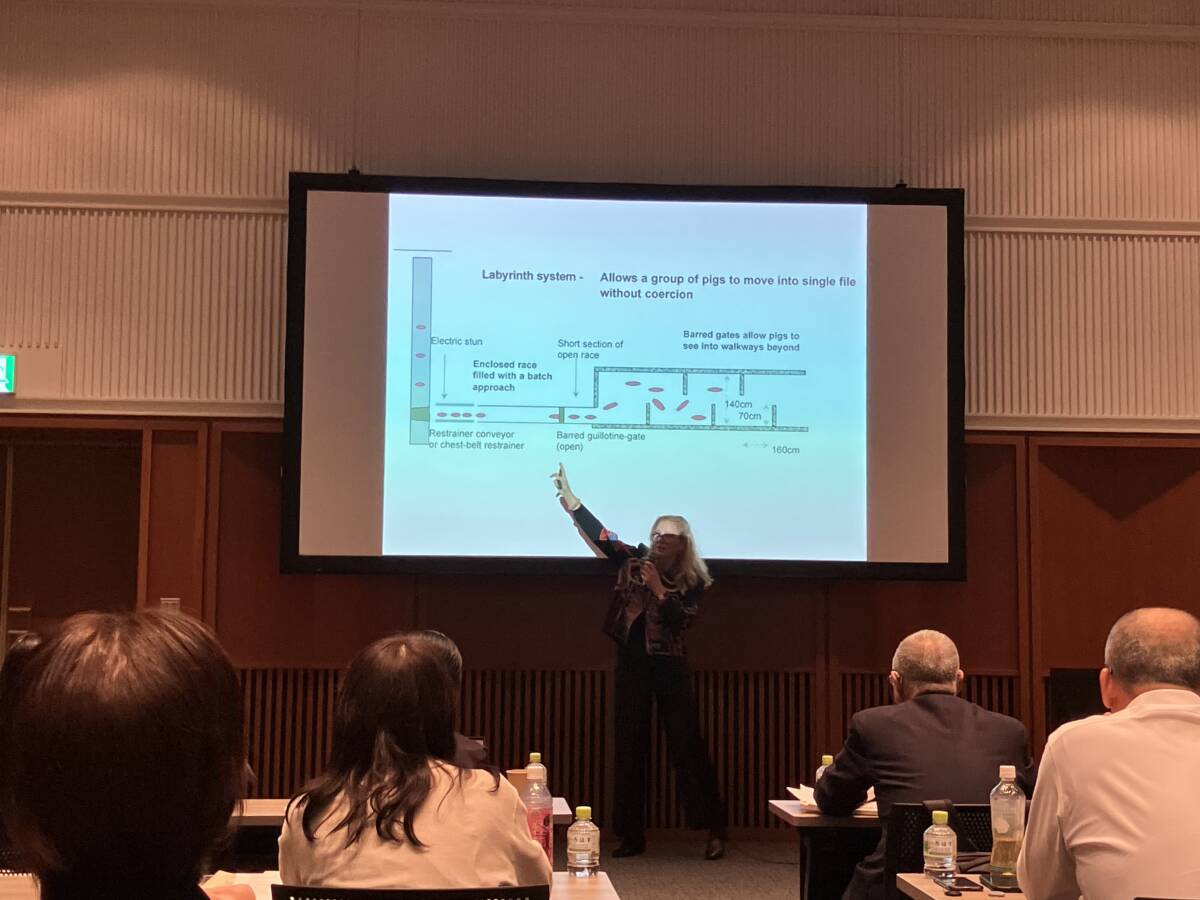
We also recommended testing the labyrinth design in pig plants with a single raceway and no space for additional raceways or stunners. This design shows promise for guiding groups of pigs naturally into single file, without force. Thank you to Bristol University for this information.
It was a great experience and an encouraging example of how, by working together and sharing practical knowledge, concrete improvements for animals can be attained. Thanks Dennis, thanks JAMTI, thanks to all participants.
Filed Under: Our inspections, slaughterhouses

Primary Sidebar

Search

Featured

Calf in truck

Press-release: NVWA takes action against Irish transporters leaving calves without milk for too long

The Netherlands Food and Consumer Product Safety Authority (NVWA) is taking enforcement action … [Read More...] about Press-release: NVWA takes action against Irish transporters leaving calves without milk for too long

Featured

Improving broiler catching and loading: Eyes on Animals presents to the Better Chicken Business Network

August 1, 2026

Weeks of good stockmanship can be undone in just a few hours of rough catching and loading. Catching … [Read More...] about Improving broiler catching and loading: Eyes on Animals presents to the Better Chicken Business Network

Our most recent newsletter

Dear friends,

After years of our fieldwork and our enforcement requests, the NVWA (the Dutch government inspection authority) is finally taking action.

The NVWA has made it clear to the entire calf export-import industry between Ireland and the Netherlands: transporting unweaned calves for more than 30 hours without milk will no longer be tolerated.

Read more…

Subscribe to our newsletter

Subscribe

* indicates required

Eyes on Animals op X

eyes_on_animals

Eyes on Animals

@eyes_on_animals ·
23 Nov

RT @dierencoalitie: Kippen die scharrelen, stofbaden en vleugels uitslaan, dat is natuurlijk gedrag. In een dierwaardige veehouderij staat…

Reply on Twitter 2124866919886975128 Retweet on Twitter 2124866919886975128 3 Like on Twitter 2124866919886975128 Twitter 2124866919886975128
foodlog_nl

foodlog.nl

@foodlog_nl ·
21 Nov

"Om zichzelf toch als goede personen te kunnen beschouwen, passen mensen morele ontkoppeling toe. Ze verzinnen bijvoorbeeld redenen waarom ze toch dieren mogen eten ." #dierenleed #slachten #wild

Reply on Twitter 2124168718137651264 Retweet on Twitter 2124168718137651264 1 Like on Twitter 2124168718137651264 Twitter 2124168718137651264
eyes_on_animals

Eyes on Animals

@eyes_on_animals ·
20 Nov

😳 Je meent het….. #DierwaardigeVeehouderij

Reply on Twitter 2123857091337089215 Retweet on Twitter 2123857091337089215 2 Like on Twitter 2123857091337089215 6 Twitter 2123857091337089215

Footer

Donate with Paypal

Paypal Eyes on Animals
One-time donation:
Monthly donation:

Reading Material

  • In the Media
  • Newsletters
  • Special EonA reports
  • Legislative texts
  • ANBI

ANBI

Our Amsterdam Office

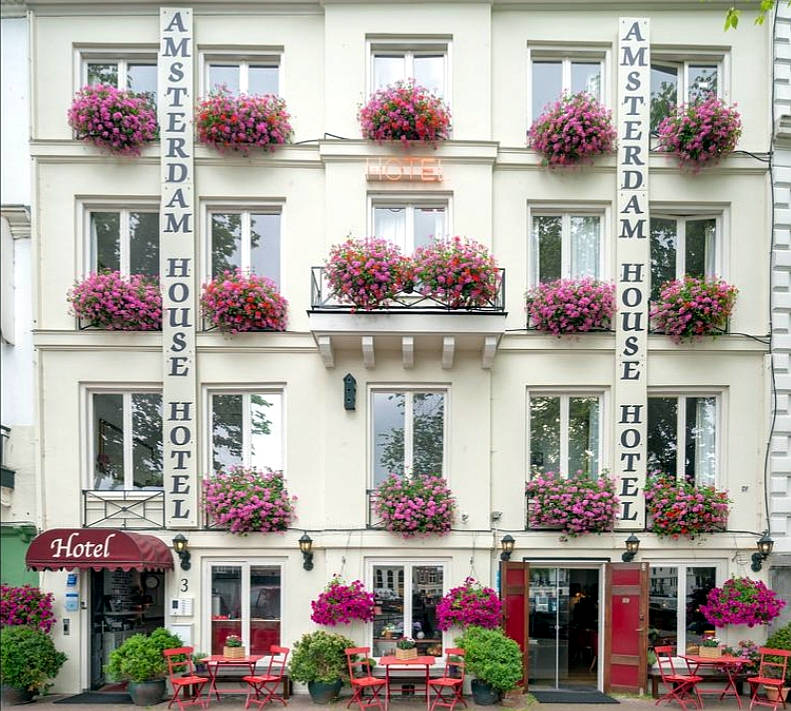
Amsterdam House Hotel
Eyes on Animals main office is in downtown Amsterdam, at the Amsterdam House Hotel. The generous and warm-hearted hotel owner donated to Eyes on Animals, free of charge, a beautiful room where our inspectors can work, hold meetings and store their material.

Copyright © 2026 · Eyes on Animals | Website by Webkompaan