• Skip to primary navigation
  • Skip to main content
  • Skip to primary sidebar
  • Skip to footer
  • EYES ON ANIMALS – Watching out for their Welfare
  • English
  • Dutch
  • German

Eyes on Animals

Watching out for their Welfare

  • Facebook
  • Instagram
  • Twitter
  • YouTube
DONATE SIGN-UP NEWSLETTER
  • About us
    • What we do
    • Our team
    • Key Figures
    • Our Vision
    • Contact
    • Make a donation
    • Newsletter
  • News
    • Latest news
    • Good news
    • Bad news
    • Featured news
    • Newsletter
  • Inspections
    • Farms
    • Markets
    • Transports
    • Slaughterhouses
    • Special projects
    • Other
  • Training
    • Police
    • Truck drivers
    • Poultry-catchers
    • Slaughter personnel
    • Training Material
    • Request a training
  • Education
  • Industry Tips
    • Animal transport
      • Cattle
      • Pigs
      • Poultry
    • Slaughterhouses
      • Cattle
      • Pigs
      • Poultry
      • Ritual slaughter
    • Educational videos
  • Publications
    • In the media
      • Print
      • Television
      • Radio
      • Videos
    • Newsletters
    • Special reports
    • Training Material
    • Annual reviews
  • Help us
Home » News » New film: From Holland to Hell: Dutch cattle slaughtered in Lebanon and Libya

New film: From Holland to Hell: Dutch cattle slaughtered in Lebanon and Libya

December 11, 2020

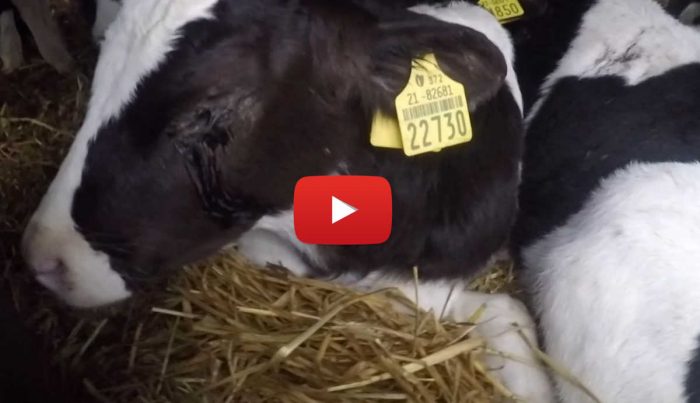
Eyes on Animals is publishing today a new film they made, in cooperation with Animals International , Animal Welfare Foundation/Tierschutzbund Zuerich and Welfarm, about the fate of Dutch cattle exported out of the Netherlands. Teams documented this past summer how Dutch cattle (males born on dairy farms in Dwingeloo and Friesland) were tied up, forced to fall down and then had their necks sliced open, back and forth, with a knife, on a blood-covered floor of a slaughterhouse in Beirut. The teams also documented Dutch cattle being loaded onto a vessel at the port of Cartegene (Spain) heading to Libya for slaughter.

The Netherlands does not approve of its animals being exported for slaughter outside of the EU, however continue to export cattle to other EU countries where the animals are allowed to be sent out of the EU for slaughter. Slaughter conditions in Lebanon and Libya are known to be brutal. Cattle arriving from EU countries to Beirut port in such bad condition that they cannot walk anymore are never euthanized but instead hoisted live out of the vessel by one leg via a crane. In abattoirs animals are chased, jumped on, have their tendons slit and eyes poked in order to tackle them to the ground, chain them and then cut their throats while fully conscious and fully sensitive to pain.

Eyes on Animals is calling on the EU to put a stop to export for slaughter in countries where slaughter conditions are known to be forms of torture.

Eyes on Animals, Lesley Moffat: “The Dutch cattle export industry should instead be first exporting its knowledge in animal behaviour and welfare so that slaughter conditions can once and for all improve in these countries, rather than just continue to send our live animals there to be tortured. I have been observing these horrors since 2001 when I first went to Beirut, it is time for real change, and that change must come from industry itself. Until then, EU authorities must enforce its own rules, and no longer accept sending animals on long and painful journeys to slaughterhouses where they suffer so intensely”.

Filed Under: Featured news, News

Primary Sidebar

Search

Featured

Calf in truck

Press-release: NVWA takes action against Irish transporters leaving calves without milk for too long

The Netherlands Food and Consumer Product Safety Authority (NVWA) is taking enforcement action … [Read More...] about Press-release: NVWA takes action against Irish transporters leaving calves without milk for too long

Featured

Improving broiler catching and loading: Eyes on Animals presents to the Better Chicken Business Network

August 1, 2026

Weeks of good stockmanship can be undone in just a few hours of rough catching and loading. Catching … [Read More...] about Improving broiler catching and loading: Eyes on Animals presents to the Better Chicken Business Network

Our most recent newsletter

Dear friends,

After years of our fieldwork and our enforcement requests, the NVWA (the Dutch government inspection authority) is finally taking action.

The NVWA has made it clear to the entire calf export-import industry between Ireland and the Netherlands: transporting unweaned calves for more than 30 hours without milk will no longer be tolerated.

Read more…

Subscribe to our newsletter

Subscribe

* indicates required

Eyes on Animals op X

eyes_on_animals

Eyes on Animals

@eyes_on_animals ·
22h

RT @dierencoalitie: Kippen die scharrelen, stofbaden en vleugels uitslaan, dat is natuurlijk gedrag. In een dierwaardige veehouderij staat…

Reply on Twitter 2124866919886975128 Retweet on Twitter 2124866919886975128 3 Like on Twitter 2124866919886975128 Twitter 2124866919886975128
foodlog_nl

foodlog.nl

@foodlog_nl ·
21 Nov

"Om zichzelf toch als goede personen te kunnen beschouwen, passen mensen morele ontkoppeling toe. Ze verzinnen bijvoorbeeld redenen waarom ze toch dieren mogen eten ." #dierenleed #slachten #wild

Reply on Twitter 2124168718137651264 Retweet on Twitter 2124168718137651264 1 Like on Twitter 2124168718137651264 Twitter 2124168718137651264
eyes_on_animals

Eyes on Animals

@eyes_on_animals ·
20 Nov

😳 Je meent het….. #DierwaardigeVeehouderij

Reply on Twitter 2123857091337089215 Retweet on Twitter 2123857091337089215 2 Like on Twitter 2123857091337089215 6 Twitter 2123857091337089215

Footer

Donate with Paypal

Paypal Eyes on Animals
One-time donation:
Monthly donation:

Reading Material

  • In the Media
  • Newsletters
  • Special EonA reports
  • Legislative texts
  • ANBI

ANBI

Our Amsterdam Office

Amsterdam House Hotel
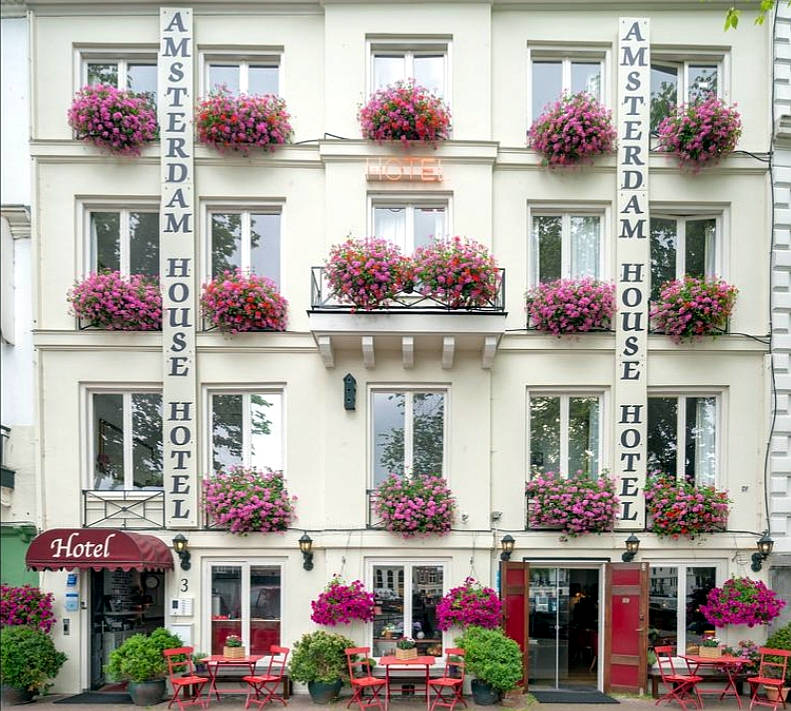
Eyes on Animals main office is in downtown Amsterdam, at the Amsterdam House Hotel. The generous and warm-hearted hotel owner donated to Eyes on Animals, free of charge, a beautiful room where our inspectors can work, hold meetings and store their material.

Copyright © 2026 · Eyes on Animals | Website by Webkompaan