• Skip to primary navigation
  • Skip to main content
  • Skip to primary sidebar
  • Skip to footer
  • EYES ON ANIMALS – Watching out for their Welfare
  • English
  • Dutch
  • German

Eyes on Animals

Watching out for their Welfare

  • Facebook
  • Instagram
  • Twitter
  • YouTube
DONATE SIGN-UP NEWSLETTER
  • About us
    • What we do
    • Our team
    • Key Figures
    • Our Vision
    • Contact
    • Make a donation
    • Newsletter
  • News
    • Latest news
    • Good news
    • Bad news
    • Featured news
    • Newsletter
  • Inspections
    • Farms
    • Markets
    • Transports
    • Slaughterhouses
    • Special projects
    • Other
  • Training
    • Police
    • Truck drivers
    • Poultry-catchers
    • Slaughter personnel
    • Training Material
    • Request a training
  • Education
  • Industry Tips
    • Animal transport
      • Cattle
      • Pigs
      • Poultry
    • Slaughterhouses
      • Cattle
      • Pigs
      • Poultry
      • Ritual slaughter
    • Educational videos
  • Publications
    • In the media
      • Print
      • Television
      • Radio
      • Videos
    • Newsletters
    • Special reports
    • Training Material
    • Annual reviews
  • Help us
Home » Our inspections » slaughterhouses » Visit of a slaughterhouse for “spent” laying hens

Visit of a slaughterhouse for “spent” laying hens

April 26, 2012


bezoek_pluvera_slachthuis_mei_2012

The manager of this plant was open to our unnanounced visit and gave us a short tour inside his plant on the spot. We were however not allowed to take photos.
Roughly 70,000 “spent” hens are slaughtered and processed in this plant every day. Six trucks loaded with plastic poultry-crates were in the parking lots. The crates were stacked stably but there were several chickens with their neck and head outside the crates, as some crates were slightly broken.
Both crates and drawer-containers are being used by this plant to transport the hens. This plant uses a 2-phase CO2 gas-stunning system to render the hens unconscious. The spent laying hens are kept in their crates and containers during the stunning process, which is a very significant improvement to their welfare, because the birds do not need to be unloaded or hung upside down, as done in most other “spent” hen plants. The unloading and shackling  procedures are known to cause the most stress and injury to hens during slaughter.

The crates they use are diamond-shaped with sliding doors on the top. The special shape creates extra gaps to optimize the ventilation during transport. The design of the sliding door on the top of the crate avoids the limbs or head of the chicken being stuck during loading; the door can only be closed manually through which people cannot neglect the “obstacle” between two pieces of sliding door. Unfortunately, like with all the crates and containers we have seen for poultry transport, there is no possibility to access the chickens during transport. The gaps in the container-drawer system (between the container and metal frame) are ideal: small enough to prevent the birds from falling out of the crates but large enough so that the birds do not become stuck. Nevertheless, it is important that the catchers load them carefully, as accidents could still happen. Compare to broilers, laying hens are normally more active an can jump up making the drawer container system possibly difficult to use without causing stress to animals.
This slaughterhouse made the best impression on us in terms of animal-welfare because the most stressful parts of slaughter were removed from the system: no live-shackling, no unloading, no human-handling. We will promote this system to other chicken slaughterhouses we are in contact with, also internationally via our Taskforce.


Filed Under: slaughterhouses

Primary Sidebar

Search

Featured

Calf in truck

Press-release: NVWA takes action against Irish transporters leaving calves without milk for too long

The Netherlands Food and Consumer Product Safety Authority (NVWA) is taking enforcement action … [Read More...] about Press-release: NVWA takes action against Irish transporters leaving calves without milk for too long

Featured

Improving broiler catching and loading: Eyes on Animals presents to the Better Chicken Business Network

August 1, 2026

Weeks of good stockmanship can be undone in just a few hours of rough catching and loading. Catching … [Read More...] about Improving broiler catching and loading: Eyes on Animals presents to the Better Chicken Business Network

Our most recent newsletter

Dear friends,

After years of our fieldwork and our enforcement requests, the NVWA (the Dutch government inspection authority) is finally taking action.

The NVWA has made it clear to the entire calf export-import industry between Ireland and the Netherlands: transporting unweaned calves for more than 30 hours without milk will no longer be tolerated.

Read more…

Subscribe to our newsletter

Subscribe

* indicates required

Eyes on Animals op X

eyes_on_animals

Eyes on Animals

@eyes_on_animals ·
15h

🌈 Being queer is very normal and accepted amongst animals.
So Happy #ComingOutDay !

Queer Planet | Official Trailer | Peacock Original https://youtu.be/GikfSszcBHE?is=l0tECC2OerL-n7-Q via @YouTube

Reply on Twitter 2109253155183608135 Retweet on Twitter 2109253155183608135 Like on Twitter 2109253155183608135 2 Twitter 2109253155183608135
eyes_on_animals

Eyes on Animals

@eyes_on_animals ·
10 Oct

🔥🐓 18.000 kippen omgekomen bij stalbrand.
Arme dieren.https://www.omroepzeeland.nl/nieuws/18849505/18000-kippen-omgekomen-bij-grote-brand-in-kippenschuur-bij-biervliet #kippen #stalbrand

Reply on Twitter 2109024590941114832 Retweet on Twitter 2109024590941114832 6 Like on Twitter 2109024590941114832 11 Twitter 2109024590941114832
faunabeschermin

De Faunabescherming

@faunabeschermin ·
8 Oct

🕊️ @LucZeebroek @nrc

Reply on Twitter 2108289844937924635 Retweet on Twitter 2108289844937924635 6 Like on Twitter 2108289844937924635 27 Twitter 2108289844937924635

Footer

Donate with Paypal

Paypal Eyes on Animals
One-time donation:
Monthly donation:

Reading Material

  • In the Media
  • Newsletters
  • Special EonA reports
  • Legislative texts
  • ANBI

ANBI

Our Amsterdam Office

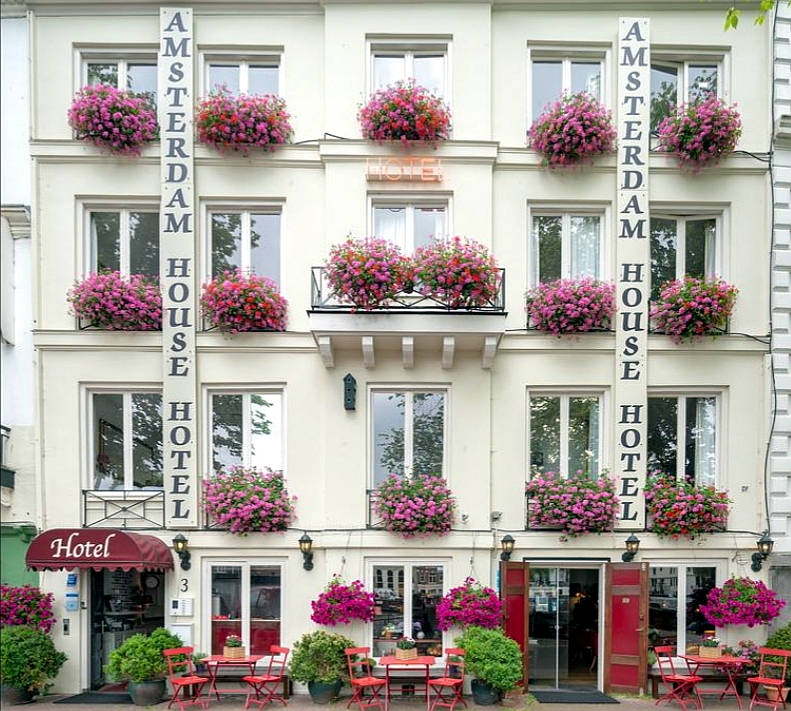
Amsterdam House Hotel
Eyes on Animals main office is in downtown Amsterdam, at the Amsterdam House Hotel. The generous and warm-hearted hotel owner donated to Eyes on Animals, free of charge, a beautiful room where our inspectors can work, hold meetings and store their material.

Copyright © 2026 · Eyes on Animals | Website by Webkompaan